We incubated and carefully nurtured the idea of a Trip-of-a-Lifetime for more than a decade. Actually planned it for another three years, and finally put all the nuts and bolts in place during the last fourteen months.
It all goes back to my husband’s admiration for a particular country he has visited many times during his business travels, namely 日本, Nihon, or, as we say in the West, Japan. He always wished that he could show me “his” Japan.
And now he is doing just that!
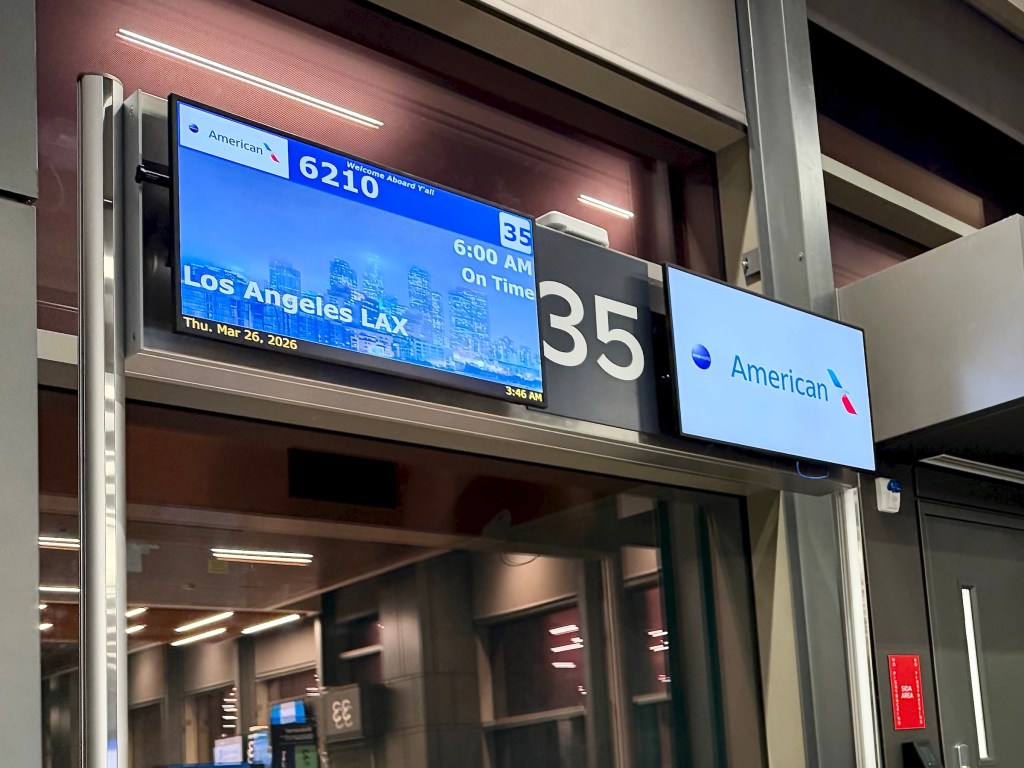
Our first flight was on American Airlines from Austin, Texas, to LA, California, during the partial government shutdown period when TSA agents weren’t paid, resulting in considerable airport mayhem. We were advised by both the airport and the airline to arrive three hours ahead of our 6 AM flight, because the early flights had the longest lines through security.
Since there was no road traffic at that time of night, we arrived at the airport even earlier than requested, never having slept, of course. The ticket counter opened at 3 AM. We checked one bag, got our hardcopy boarding passes, and we were through security and at our gate by 03:17. For a domestic 6 AM flight, mind you. There had been no lines whatsoever. As a matter of fact, the whole airport was eerily deserted, and shops and lounges were firmly shuttered.
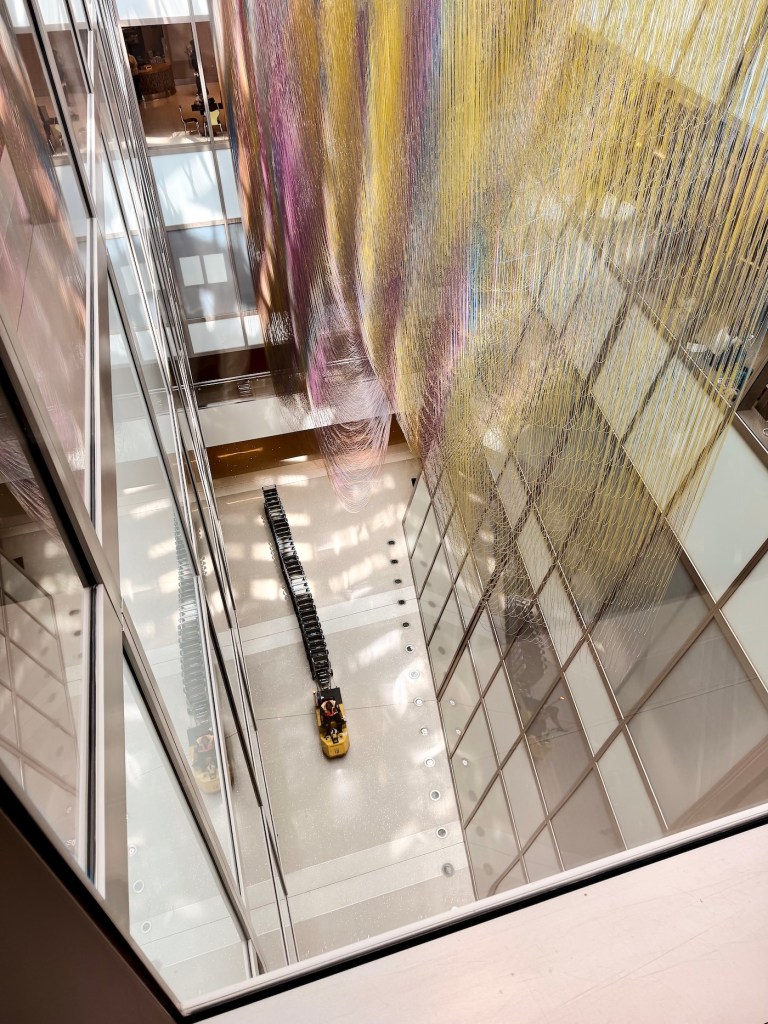
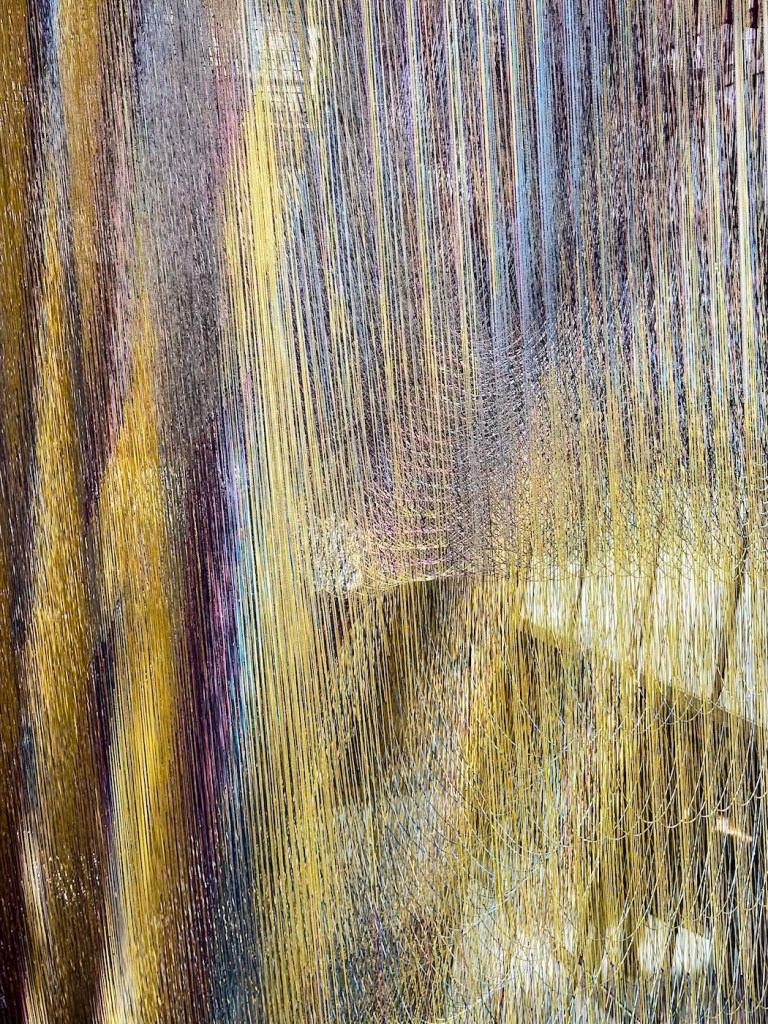
In LA, we had a six-hour layover, but since the flight to Japan was on JAL, we were permitted to hang out in their posh lounge and graze their extensive breakfast buffet, as well as rest a little in comfy Eames lounge chairs. One could also jog, ok, ok, walk around a multi-story interior courtyard festooned with multi-colored, gigantic fish netting.
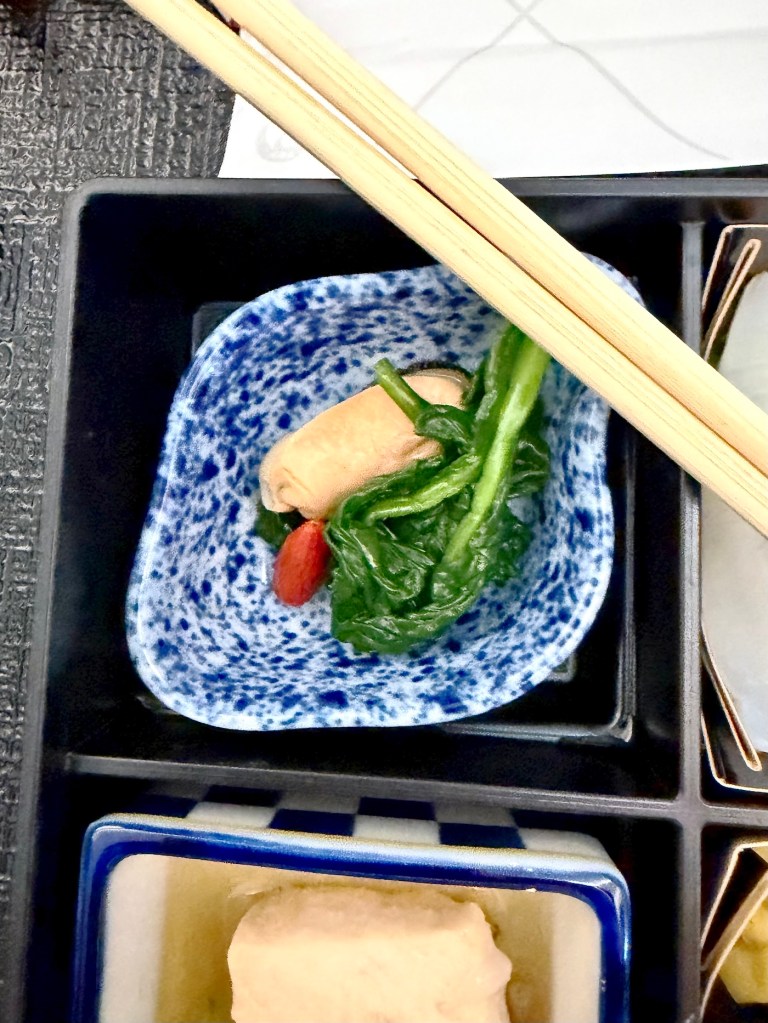
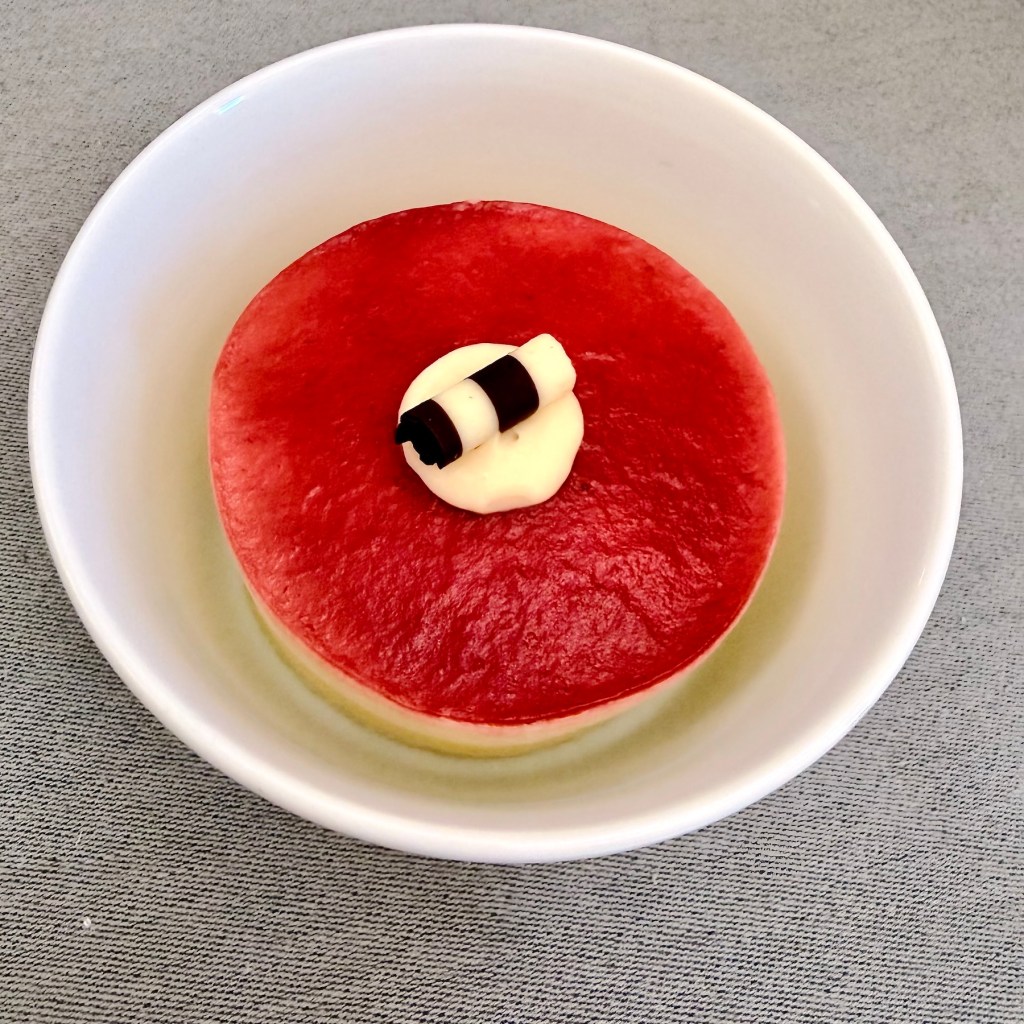
In due time, we boarded our flight and settled in for the next 12 hours, or was it 13? We were served a delicious meal to ease into our upcoming Japanese experience.
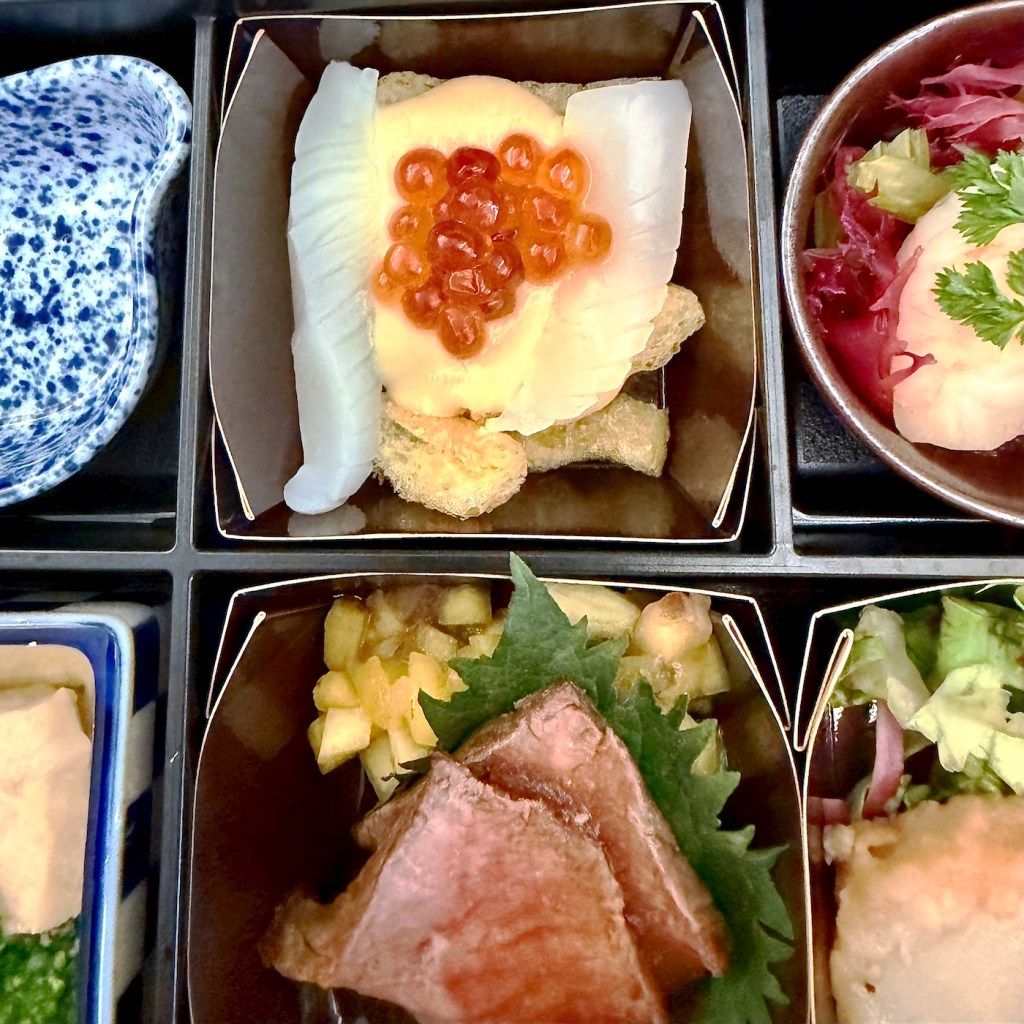
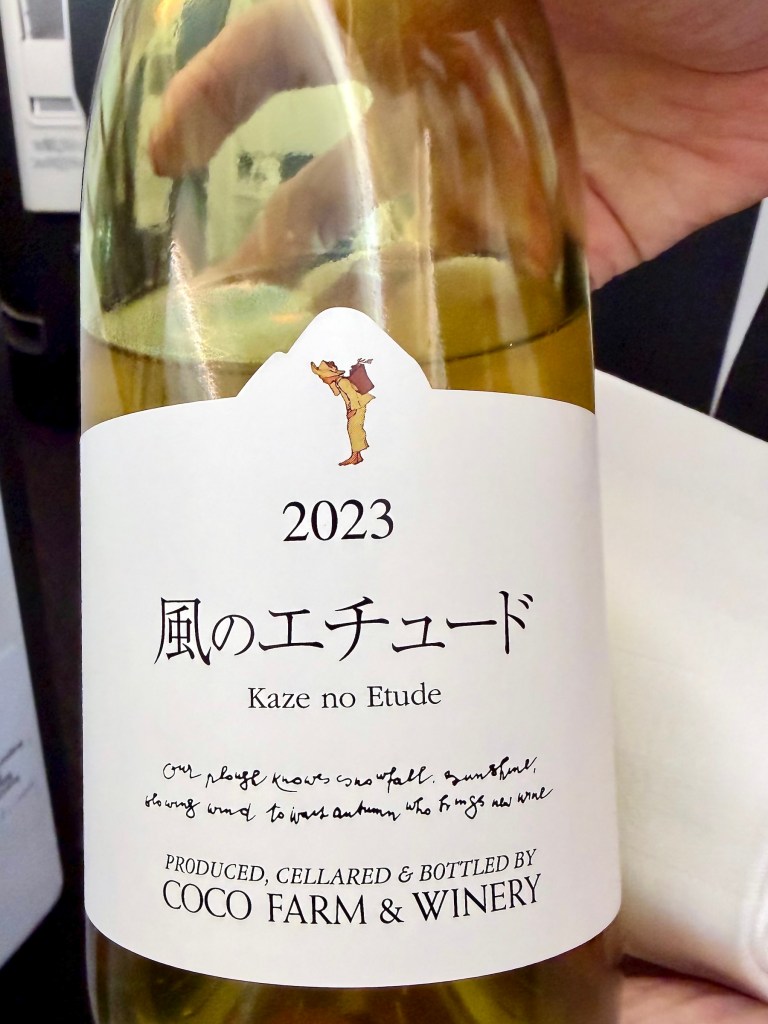
Choosing a Japanese wine was a given. Especially when it had such an enticing name, Kaze no Etude, study of the wind. I am definitely a sucker for a cute label, but this one also presented a little exercise to practise my rudimentary knowledge of Japanese.
The Japanese use three different styles of writing, which are mostly pronounced in the same way, even though they look quite different from each other. The oldest and most difficult form of writing is called Kanji. In our wine label, the principal term Kaze, meaning Wind, is written as a Kanji character, 風. Kanji characters are based on Han Chinese characters, and there may be as many as 200K characters; nobody really knows. About 2,100 common or jōyō kanji are considered necessary for functional literacy. About one thousand of them are used routinely in everyday life. I know about ten, and recognize maybe ten more. In Japan, two-year-old preschoolers already start practicing their kanji with brush and ink. So you can see why I don’t have a prayer. I started nearly seventy-five years too late!
The other two scripts are Hiragana and Katakana. Hiragana was developed as a more flowing and much simpler form of writing to allow literacy to extend across all levels of the population. For a long time, women were denied access to higher education, including the use of Kanji. They were, however, considered to be able to handle the simplified Hiragana script. It was called, therefore, onna-de, ladies’ hand, in those days.
Foreigners are usually taught Hiragana first. It consists of five vowels and nine consonants that together form the 45 basic characters. Naturally, there are also a few dozen special sounds to consider. In the name of our wine label, there is only one Hiragana character, the の, pronounced no.
The third script, Katakana, is a different kettle of fish. It is mainly used to echo foreign expressions, company names, or foreign places, like テキサス, tekisasu (tek’sas) Texas. In our label above, we find it in the French word ‘Etude’ that is written as エチュード in Katakana, roughly pronounced Echuudo. I dislike Katakana because I don’t quite see the need for it. It uses the same 45 vowel/consonant combinations as Hiragana, but uses a different script. It just makes Japanese even more difficult than it already is. [ごめんね、みんな]
Arriving in Kansai International Airport 関西国際空港 in the early evening, we cleared customs and immigration pretty quickly, even though we had to fill out my husband’s entry form ad hoc at the immigration counter. When I did the form online before leaving the States, it appeared that one entry form for a family travelling together was allowed, but I obviously misunderstood the instructions.
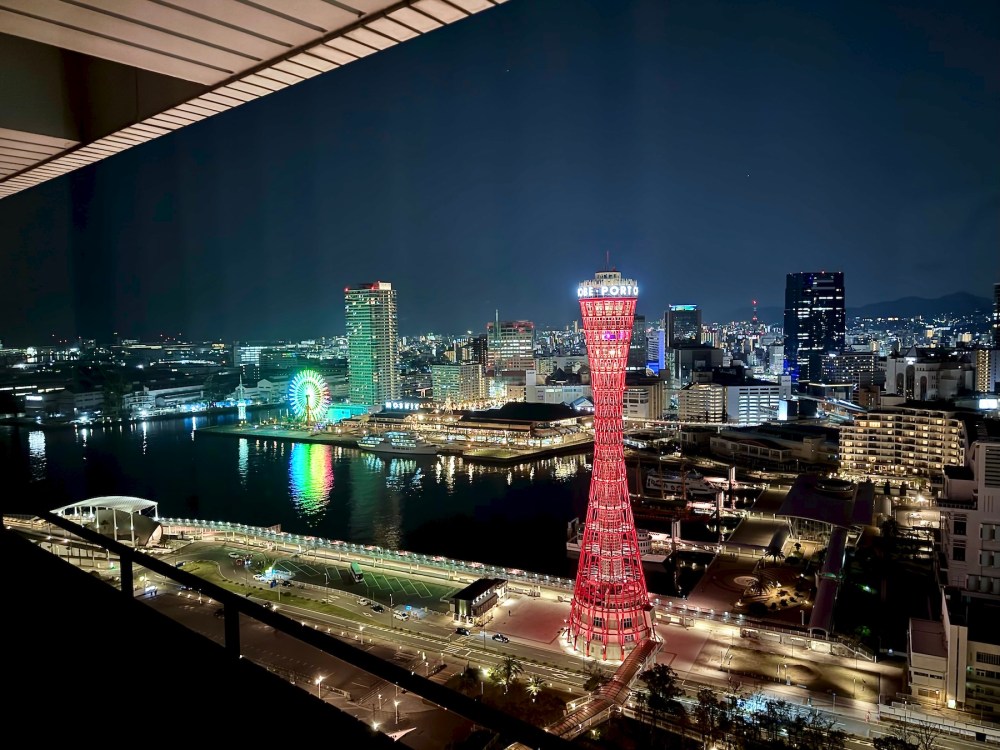
We were picked up by a driver we had hired to take us to our hotel in the city of Kobe, where we stayed for a couple of nights to acclimate and rest. Before retiring, we wanted to have a snack, so we checked out the hotel’s elegant coffee shop. Lo and behold, they had my favorite pastry, gateau l’opéra.
Such an auspicious beginning!


I finally got around to checking here ☺️🍀👍 (because I saw on Facebook that you were online).Finally…Clever me!! 👍😎👋☺️🍀It’s always fascinating to read how carefully you prepare for your trips. I especially appreciate your highly interesting study on language ☺️. Now I’m looking forward to more experiences …
LikeLike
You’re off to a great start! Having lived in Tokyo for six years I’m sure you’ll love the country as your journey continues! Enjoy!
LikeLike
Very nice first entry!!!
Dr. Barry N. Leon
707 Cardinal Lane, #A1 Austin, TX 78704
USA
On Thu, Apr 23, 2026 at 9:21 PM NOT IN A STRAIGHT LINE by Photolera
LikeLike