… is an ancient village in the mountains above the City of Kobe.
A 温泉 or onsen is a geothermally heated hot spring. The term onsen also includes the associated bathing facilities -either private or public, either outdoors or indoors- and, when available, accommodations for the bathers. In other words, onsen are spas. US Americans may not be familiar with the healing properties of natural mineral springwater, but Europeans have “taken the waters” since Roman times, and Asian peoples even longer. Old World cultures, from Finns to Turks, have always believed in the healing properties of their hot springs. In modern Central Europe, a Wasserkur or hydrotherapy has been part of the holistic approach to wellness since Catholic priest Sebastian Kneipp (1821-1897) introduced it to the general public. And, at least in Germany, hydrotherapy in its many different forms is part of universal healthcare.
In Japan, there are more than 3,000 onsen, three of which are documented to have been in use for more than 1,300 years. Arima Onsen is one of these three. Originally, bathing in the water of hot springs was reserved for the Japanese elite, above all the emperor and his extended family, court officials, and high-ranking aristocrats. Geothermal hot springs differ in mineral content and composition, as well as temperature. Their healing properties vary as well. In the olden days, the medical advisors to the country’s important leaders were usually priests and monks, who soon began to build temples near the hot springs. Consequently, bathing not only addressed physical ailments but also became a spiritual and emotional wellness ritual.
Beginning with the Tokugawa Shogunate, around the early 17th century, the use of hot springs for medicinal or religious purposes solely for nobility and other nonpareils shifted more and more toward concerns of well-being for the general population. Thus, the need for accommodations near these hot springs increased dramatically. Enter the traditional Japanese inn, the ryokan.
旅館 or ryokan are inns that came into use in the early 8th century to facilitate travelers’ progress along the main highways crisscrossing the country. I believe records show that the oldest ryokan opened in 705 CE. A mere 900 years later, with the increasing popularity of bathing, ryokan proliferated near hot springs in the volcanic landscape of the country. Fortunately for us, there has been some modernization* and also westernization in many of the more contemporary ryokan. Western chairs and beds are now more common, which is really important for us, because, as beautiful as tatami mats, low floor cushions, and futons are, these old bones and stiff joints can’t handle them anymore!
* Japanese Toto toilets are the best thing in personal hygiene ever. Japan certainly stands as a leader among countries for not only an amazing advance in bathroom technology, but equally for its absolutely impeccable cleanliness in every single toilet I’ve visited in this country, and there were many! In hotels, ryokan, rentals, private homes, restaurants, but above all, taking into account the public toilets in parks, train stations, tourism centers, airports, museums, temples, and gardens, simply everywhere. In nearly six weeks of travelling, I only encountered one single poorly presented toilet. One!
For our three-night stay at a hot spring resort, we had made reservations in one of two sister ryokan in Arima Onsen, the Arimasansoh Goshobessho [Gosho Bessho Onsen] on the outskirts of town.
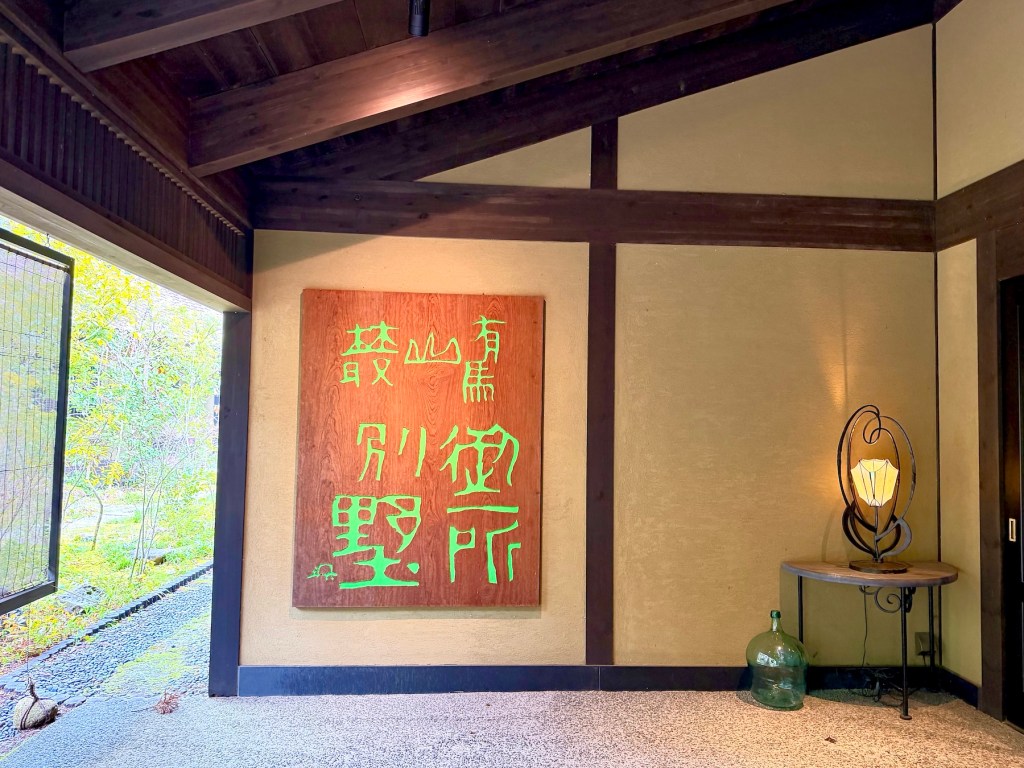
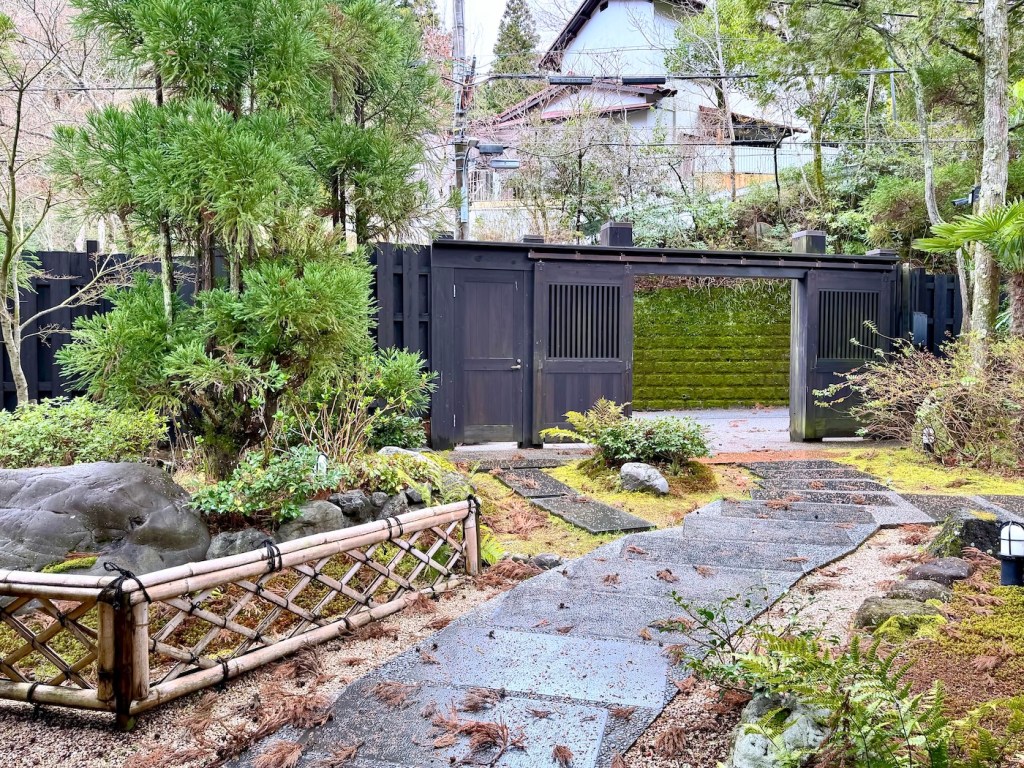
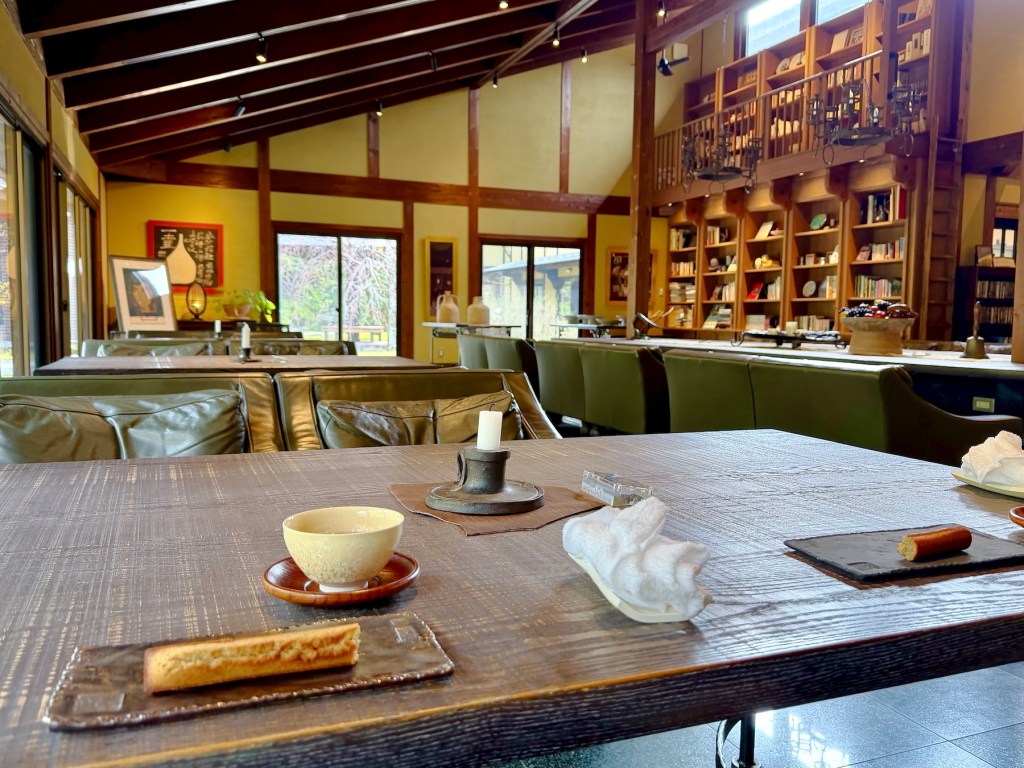
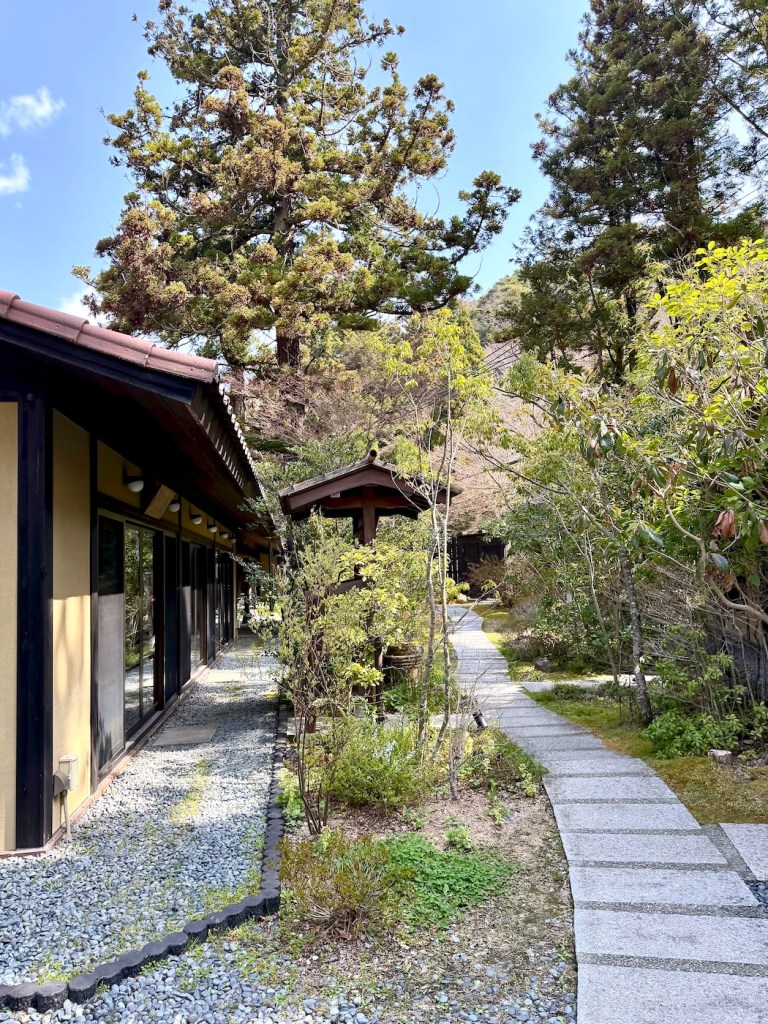
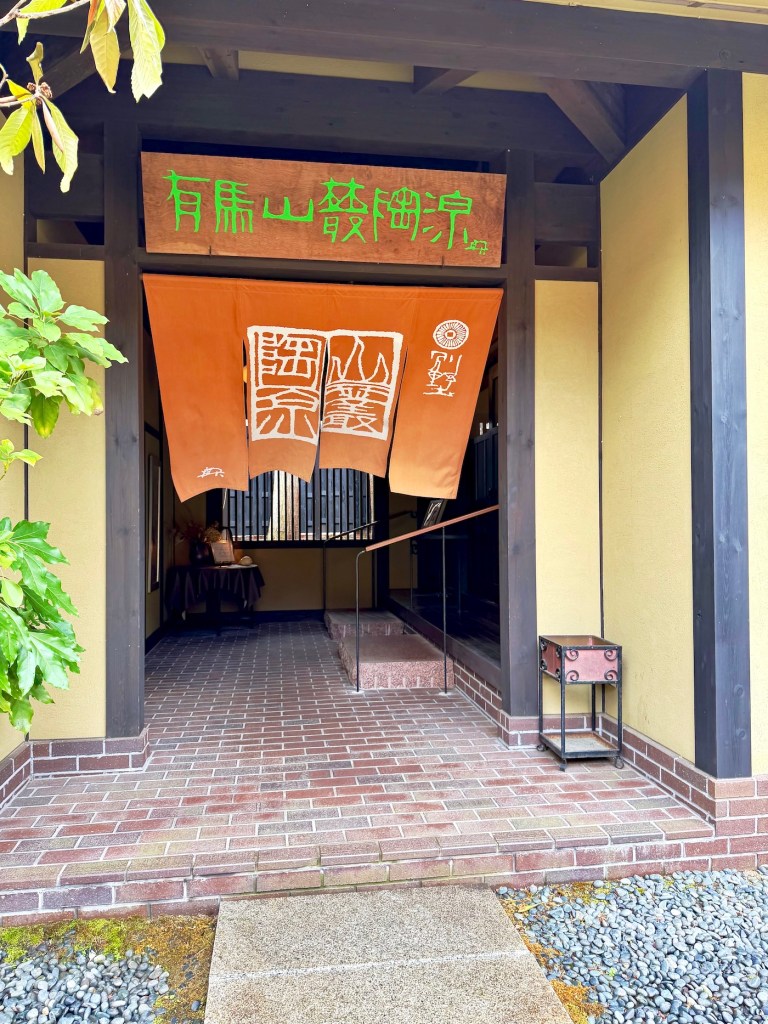
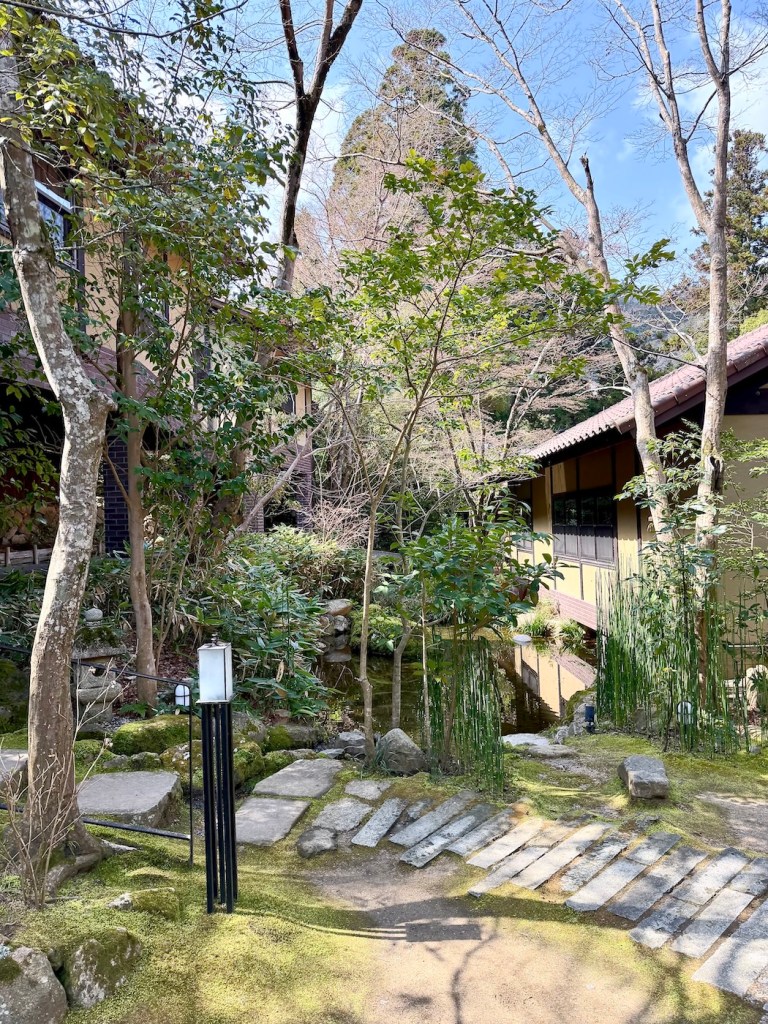
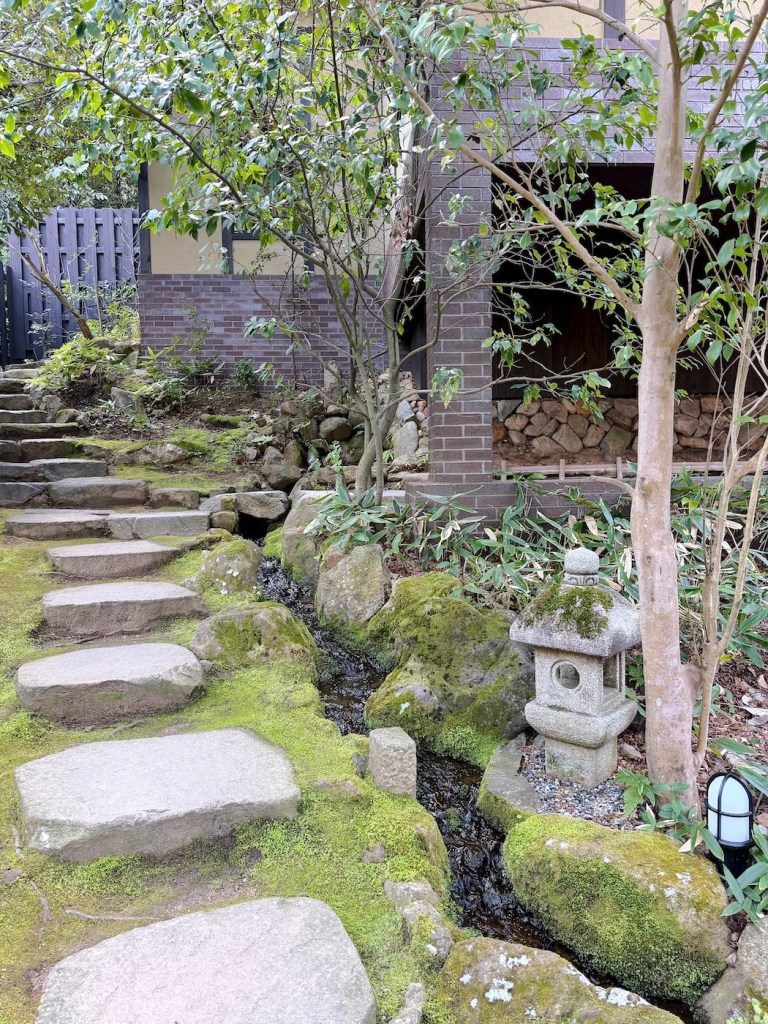
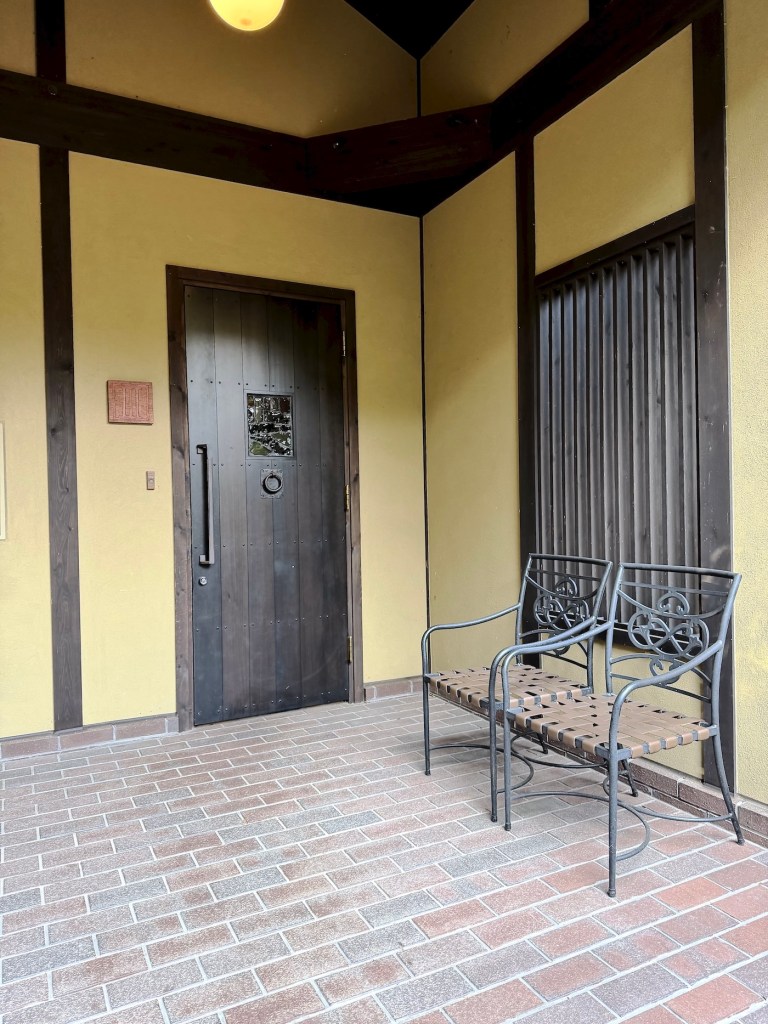
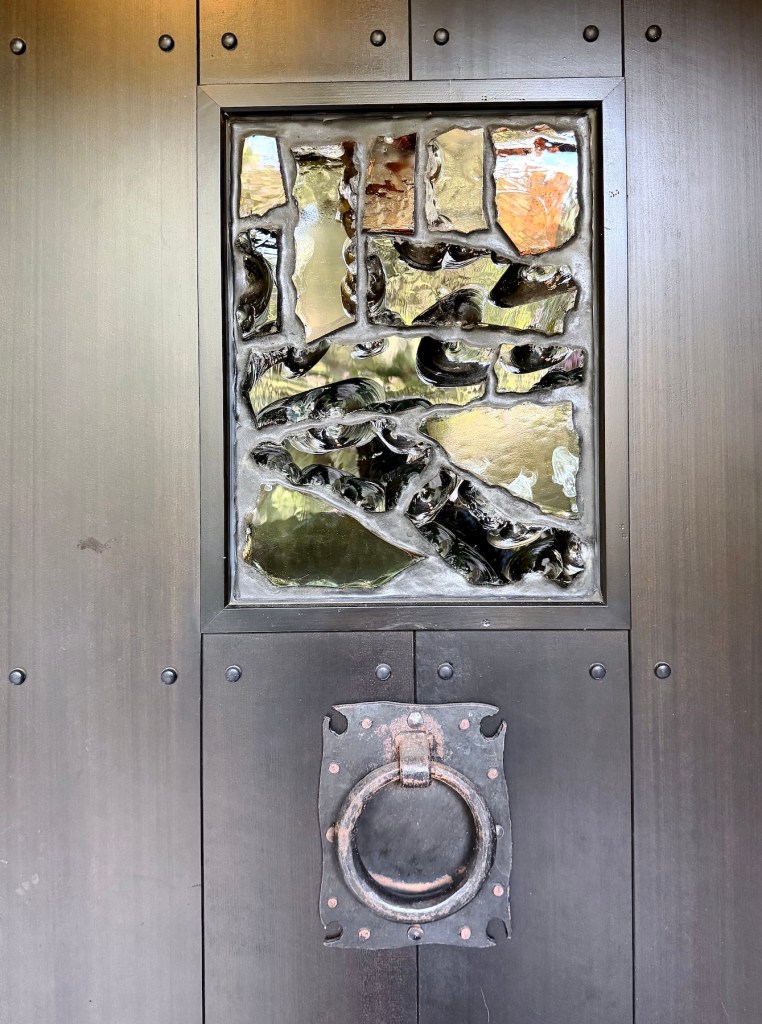
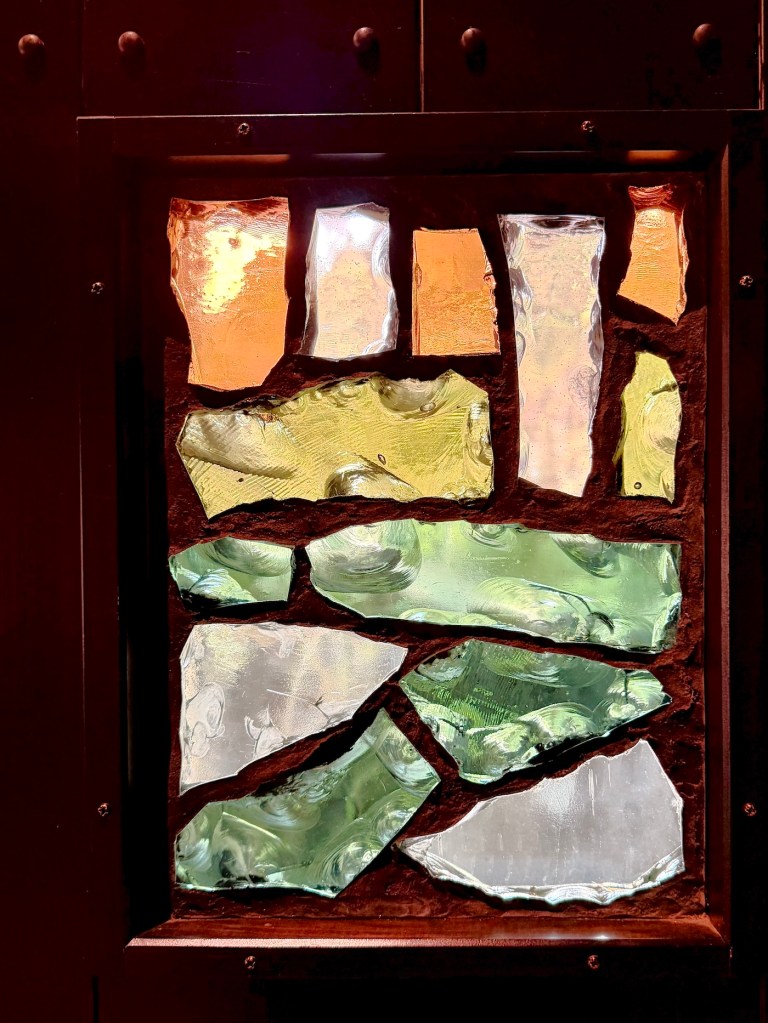
.
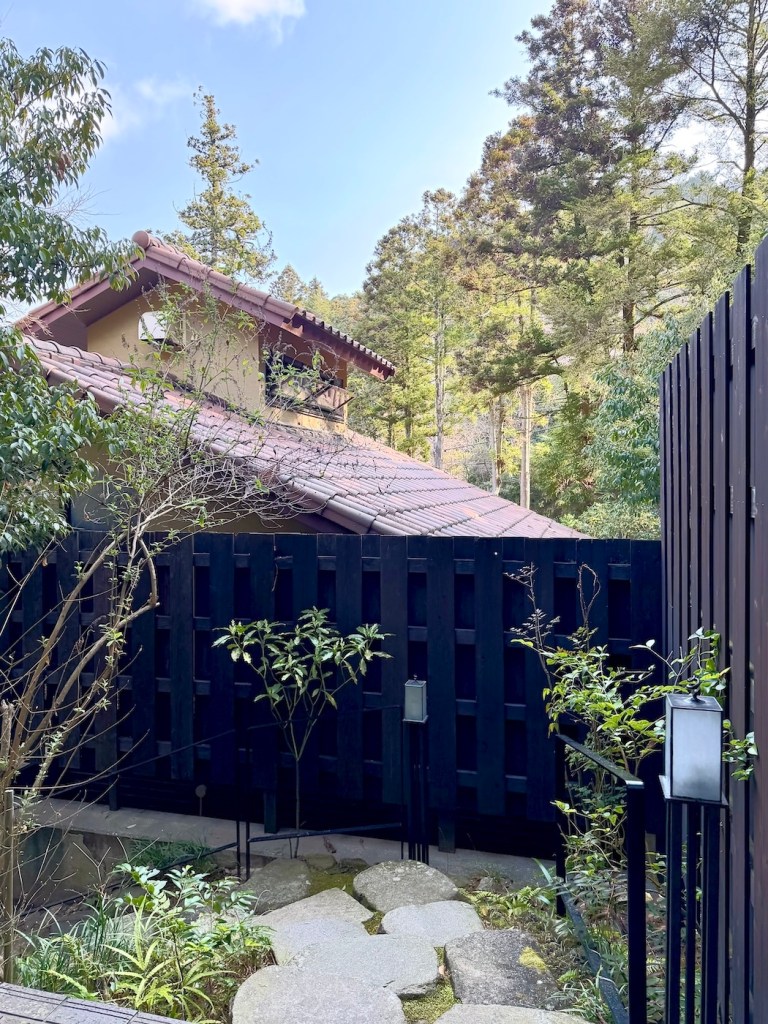
After breakfast and a bath in our private onsen tub, we went into town and joined all the other tourists in the ancient lanes lined with wooden homes and buildings, but also some more recent architecture.
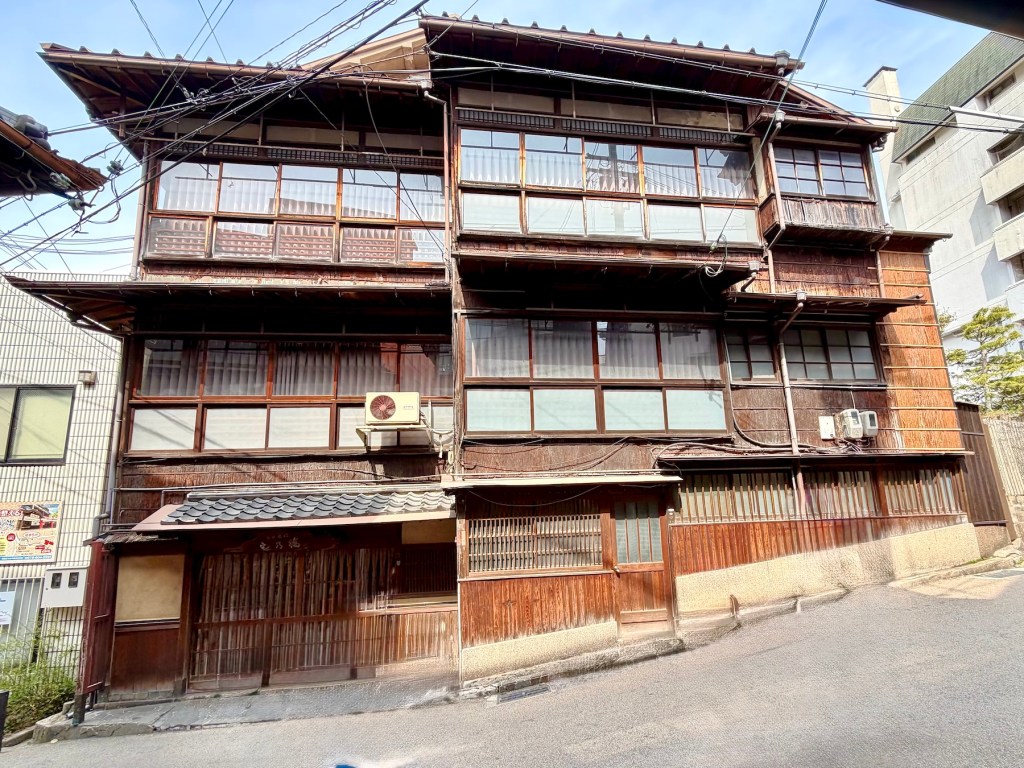
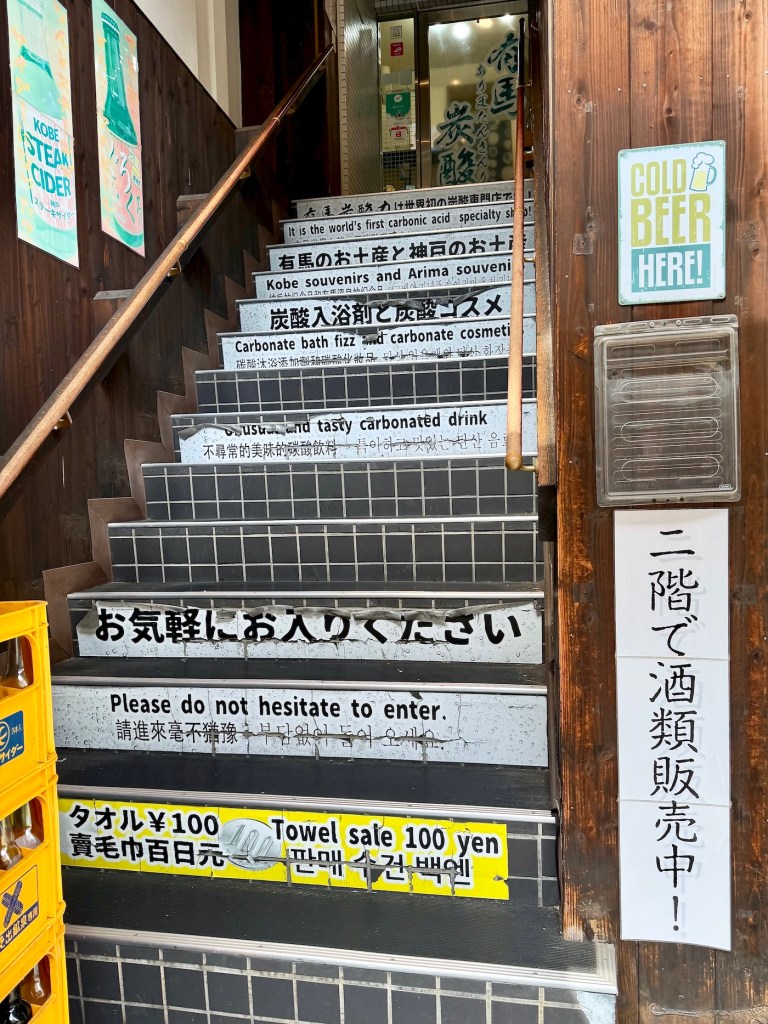
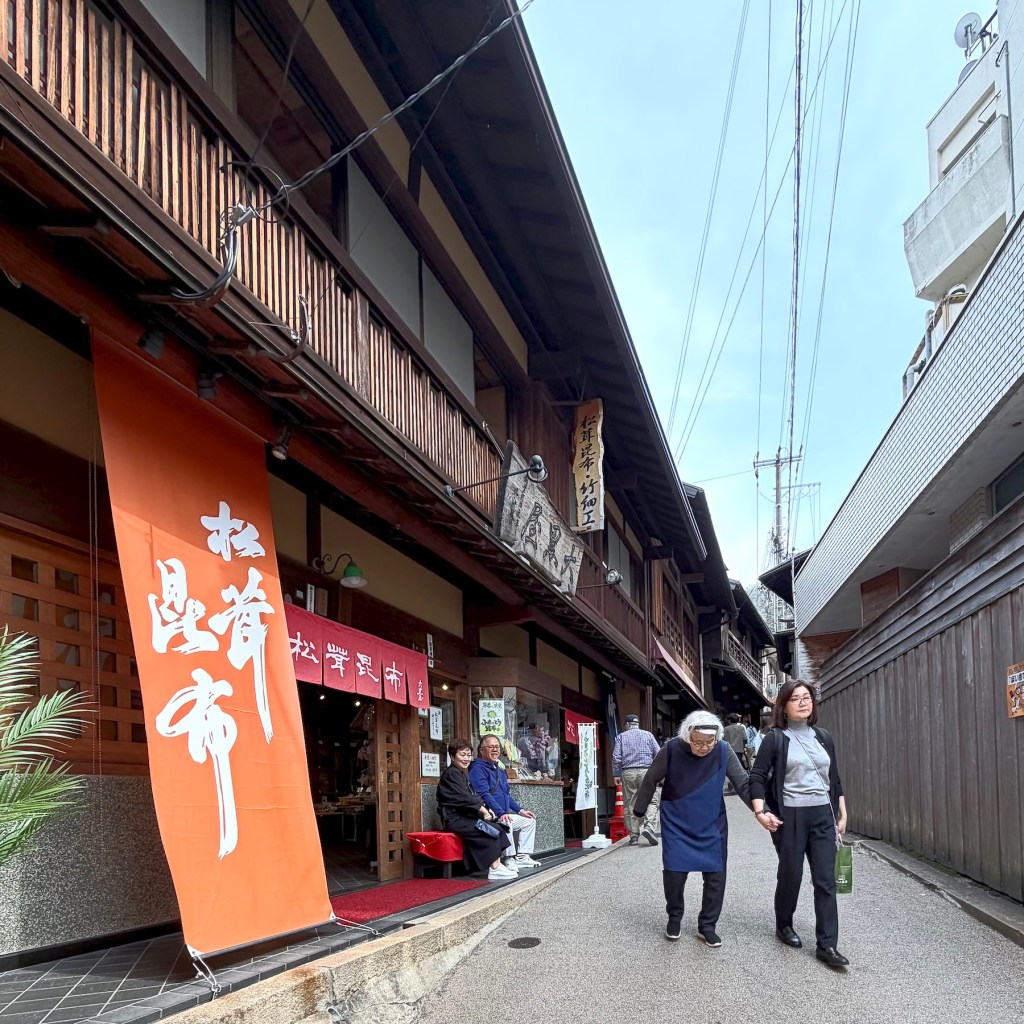
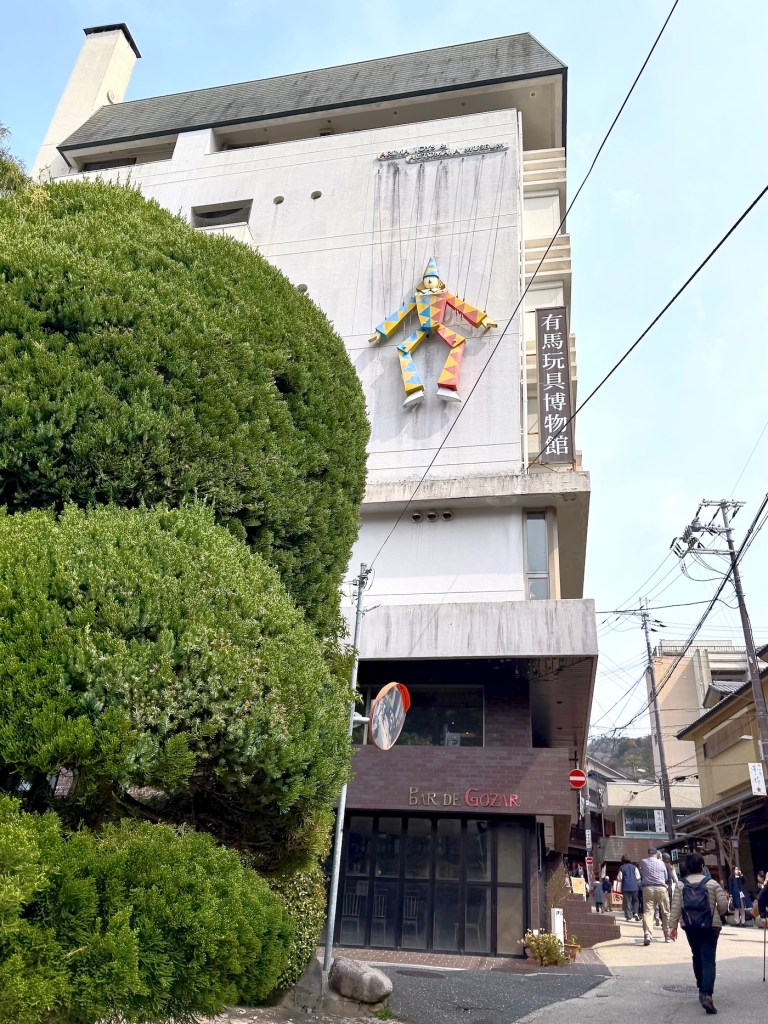
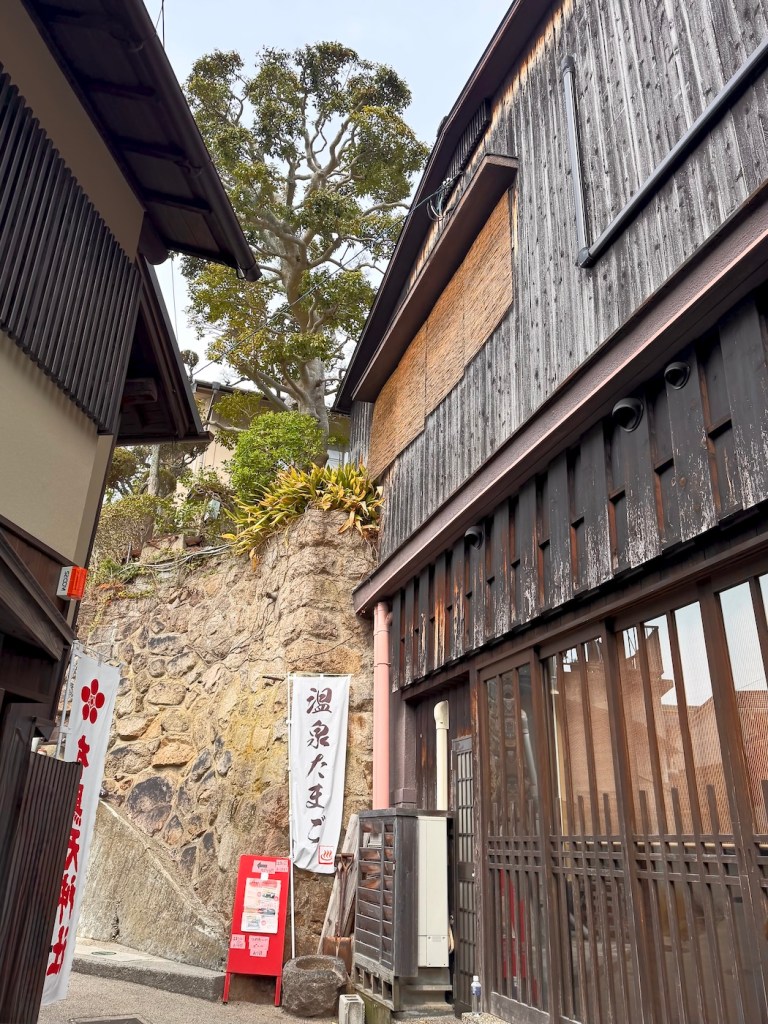
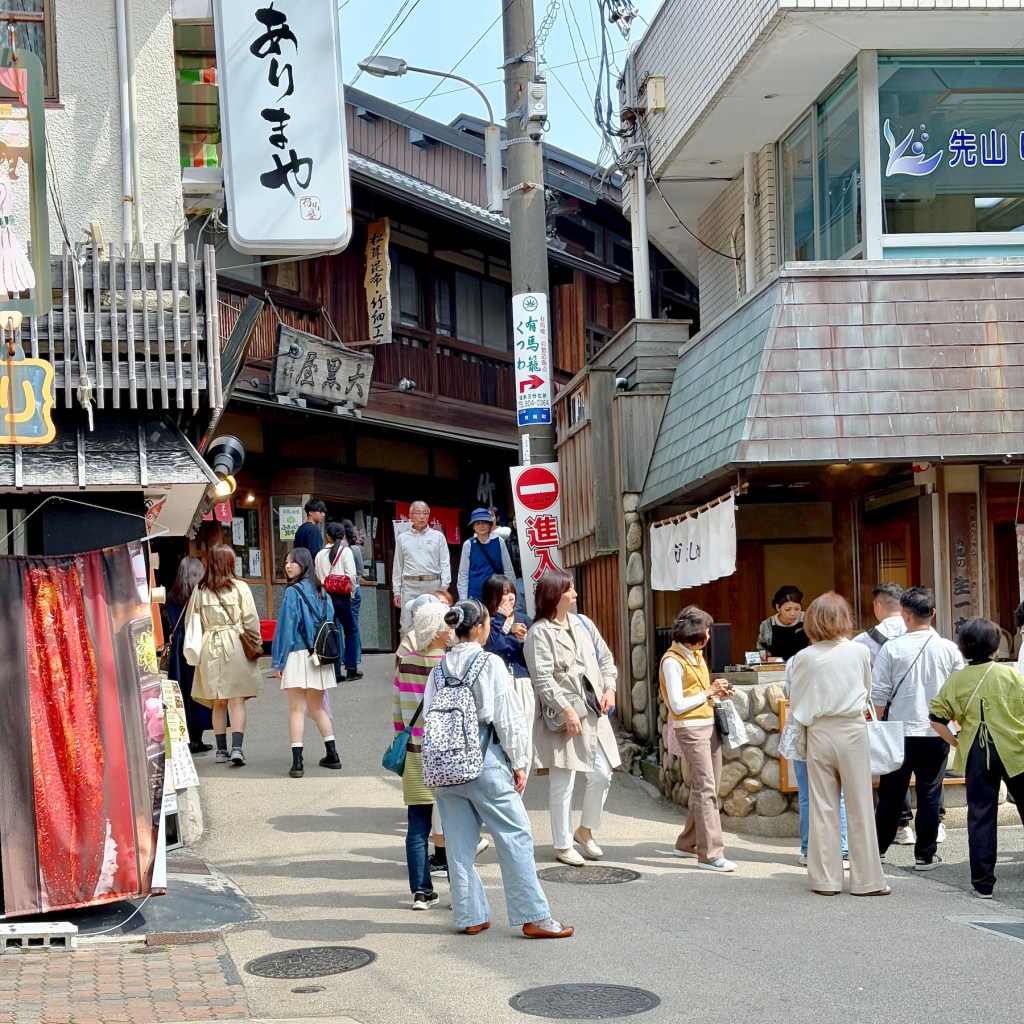
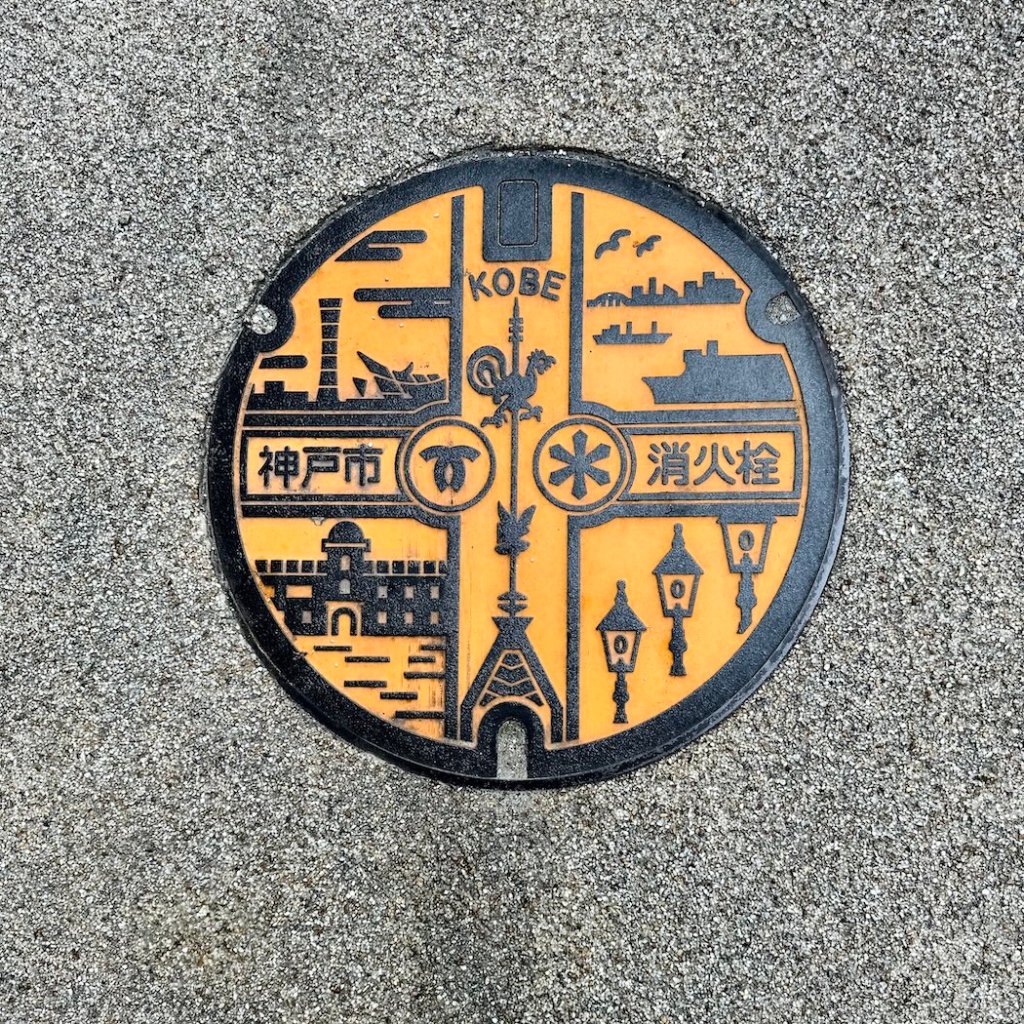
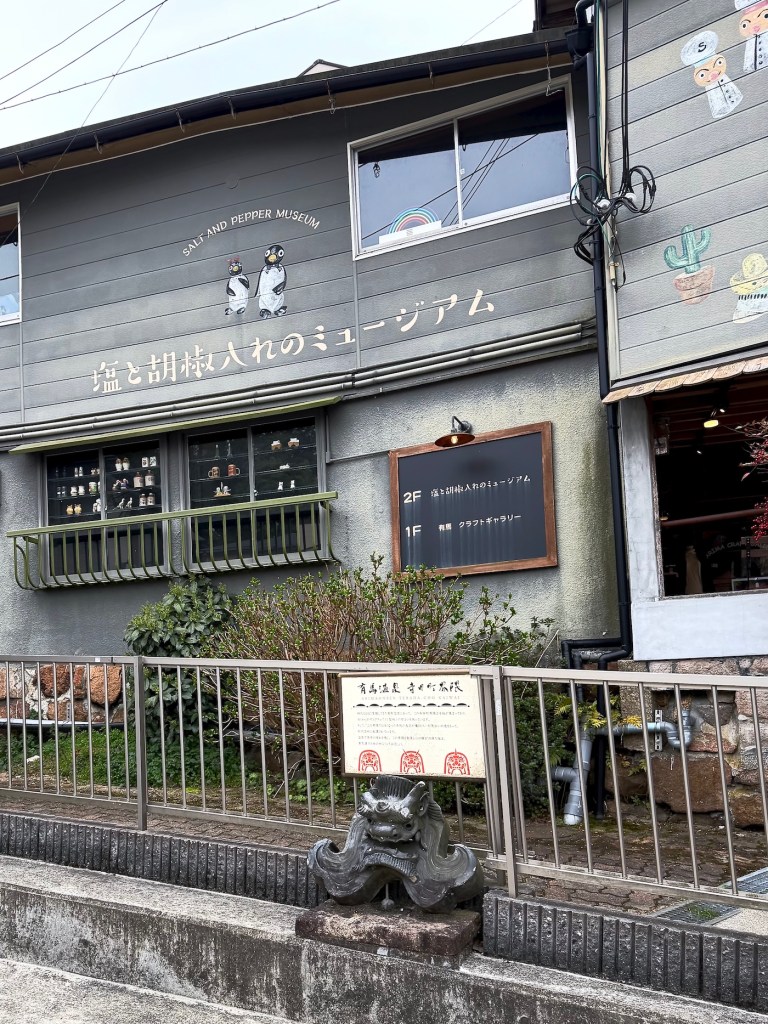
Back at the ryokan, we changed into the provided 浴衣 yukata, a cotton, kimono-like garment worn in and around onsen. At the main building, we were greeted by our servers and led to a private dining room with sliding doors that overlooked the woods behind the resort.
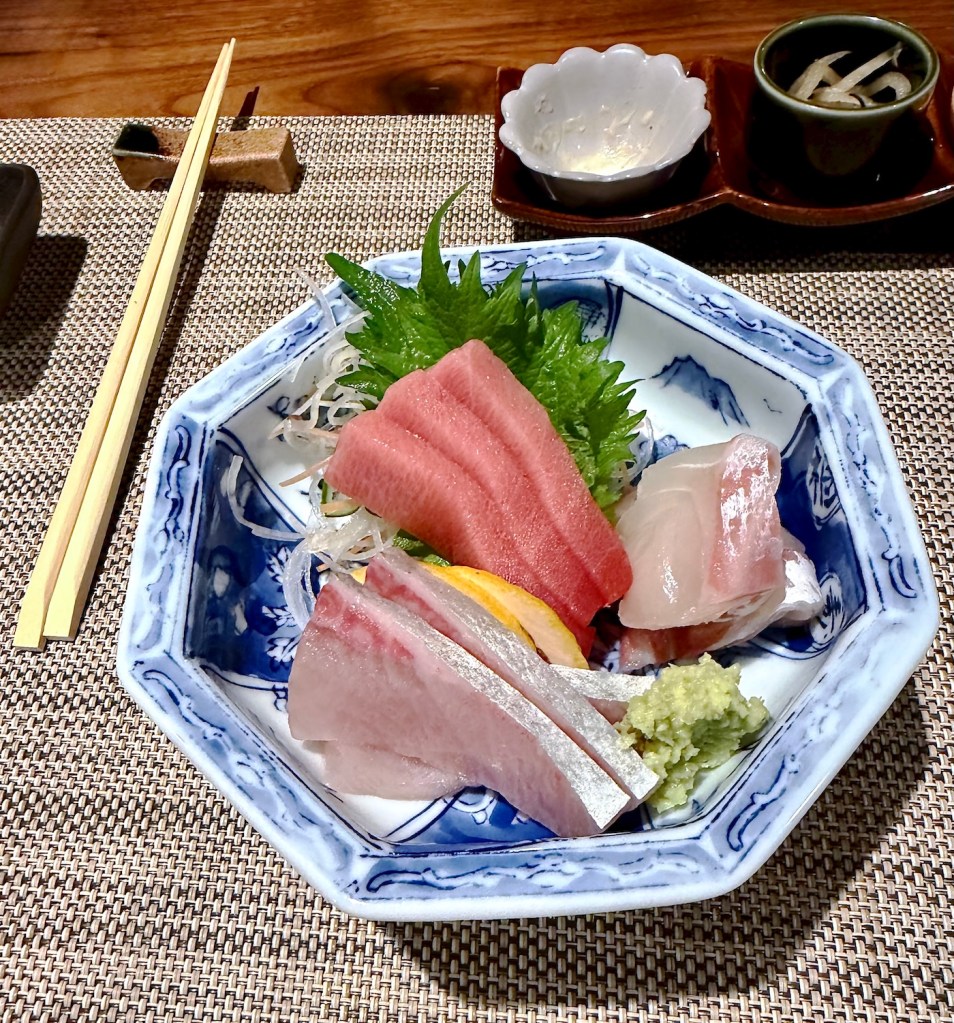
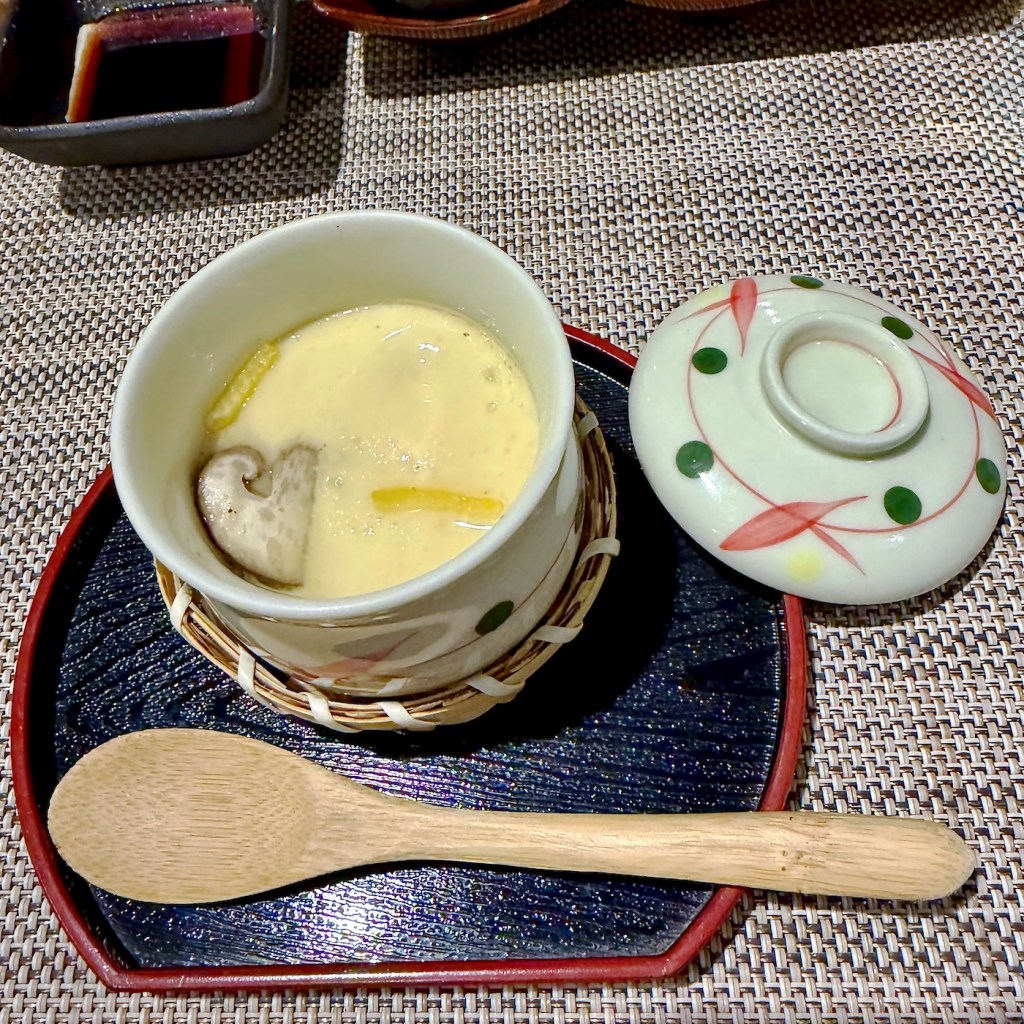
This was that evening’s menu:
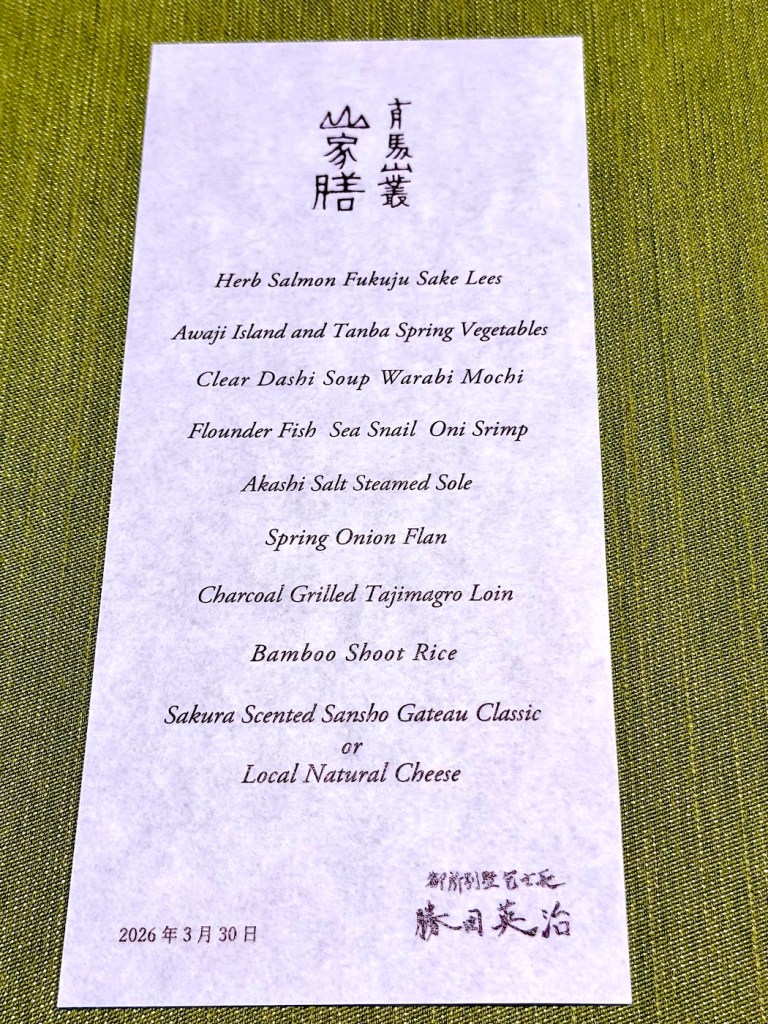
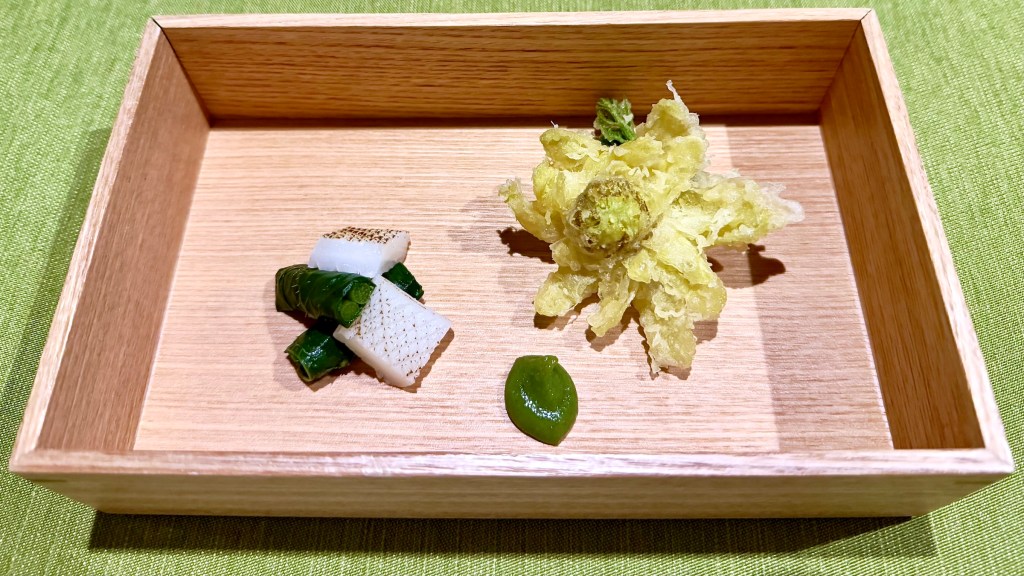
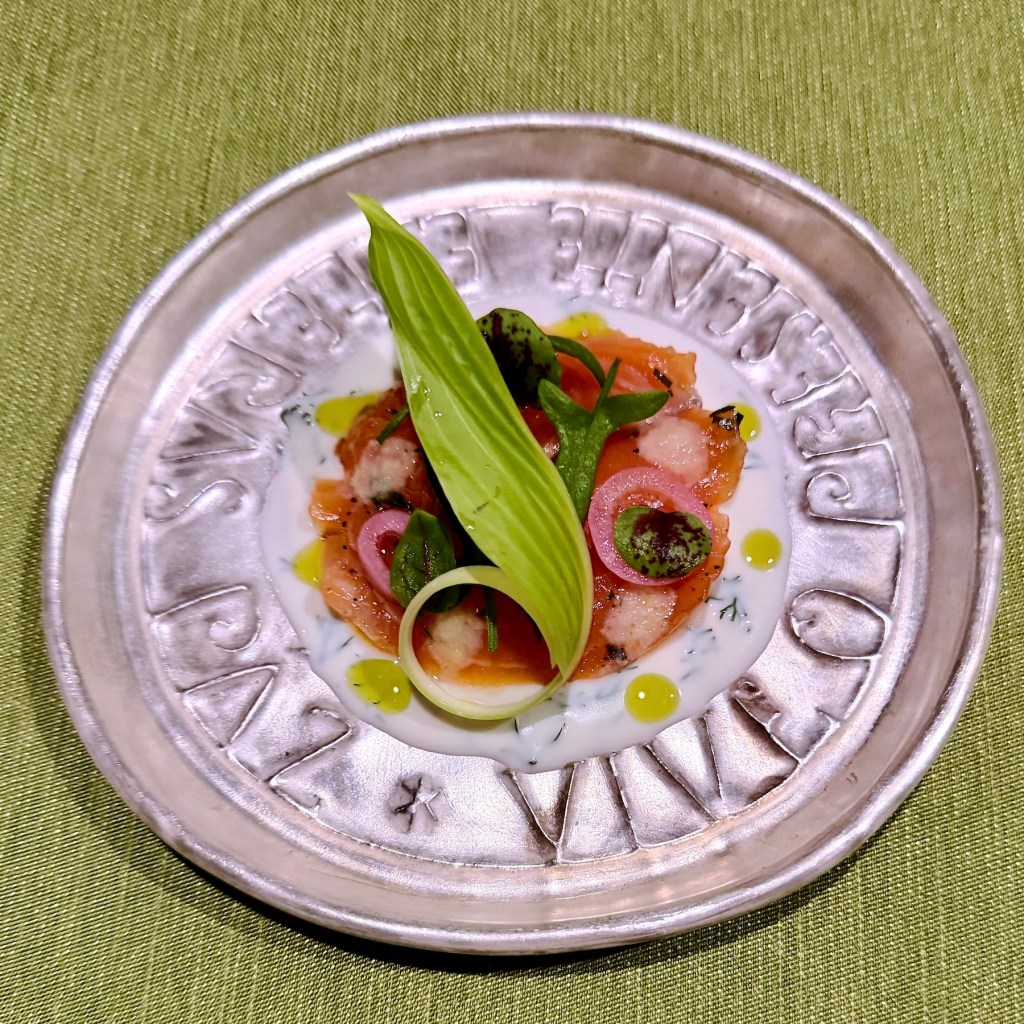
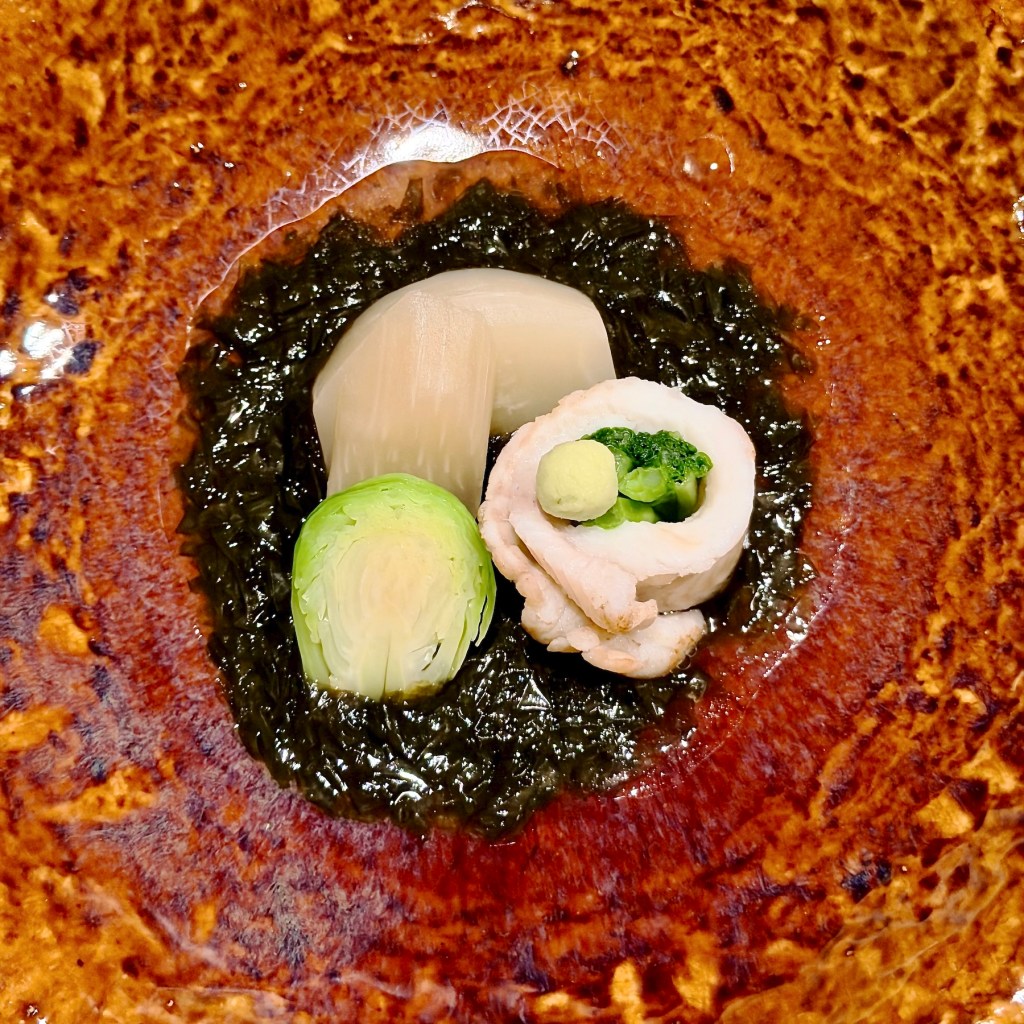
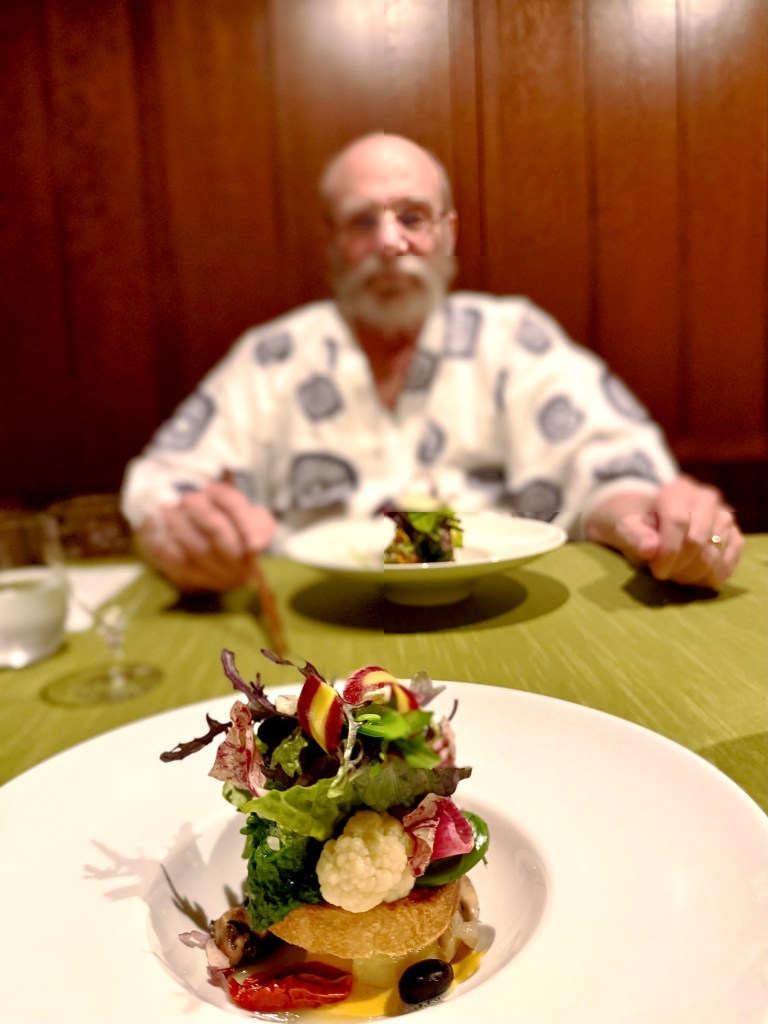
Sake lees, also called sake kasu, 酒粕, is the pressed rice residue left after the steamed rice has gone through fermentation to produce sake, rice wine. It comes as a slightly alcoholic white paste that is widely used to improve umami for many dishes, both savory and sweet. Fukuju sake of Kobe and their lees are of the highest quality and rated very highly.
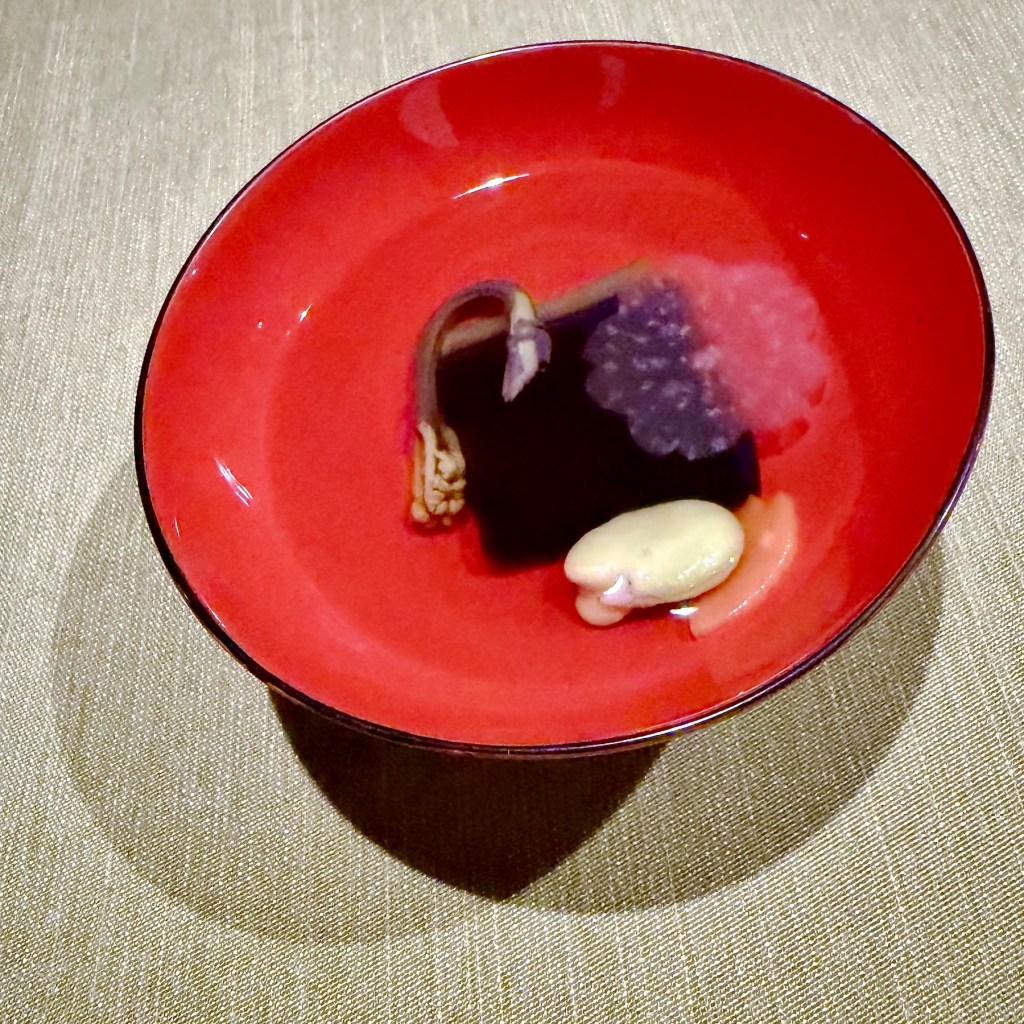
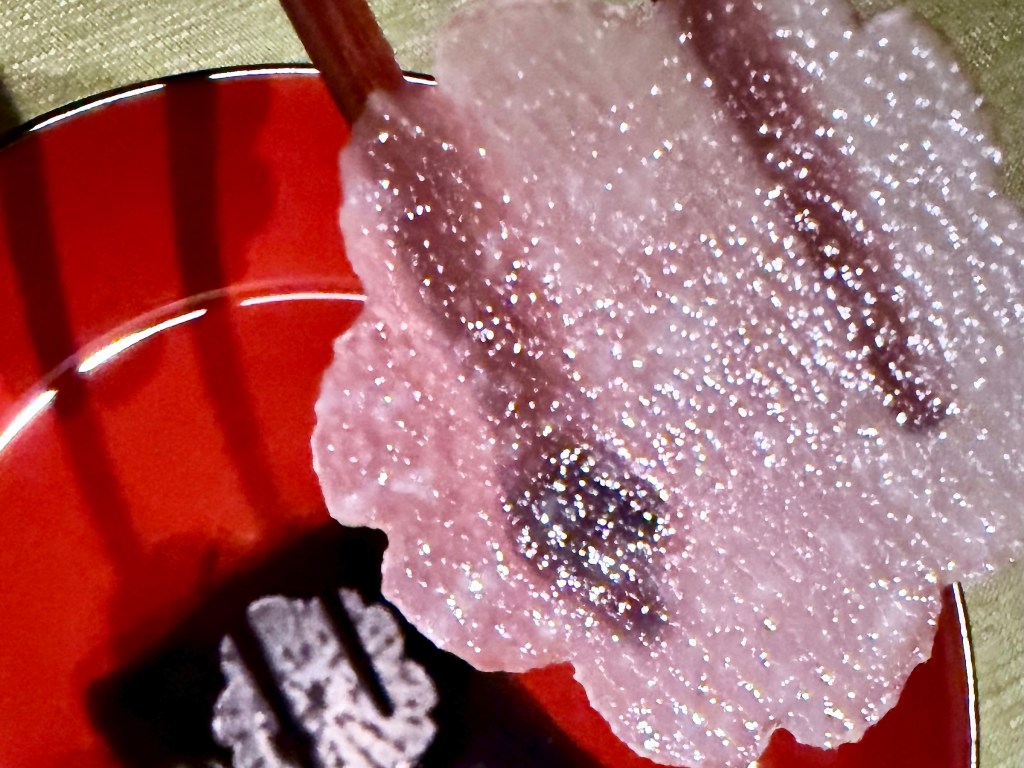
Traditional, clear dashi soup, usually referred to as osumashi おすまし, is a delicate and elegant broth for special occasions. Its exceptional clarity makes it noteworthy. The main ingredients in dashi stock are kombu (dried kelp) and bonito flakes (dried tuna). It’s often seasoned with light-colored soy sauce to maintain its transparency. Warabi mochi is another quirky, Japanese pastry thingy. It’s a sticky, jelly-like blob made from starch. Here, it floated in the dashi broth like a squishy alien lifeform.
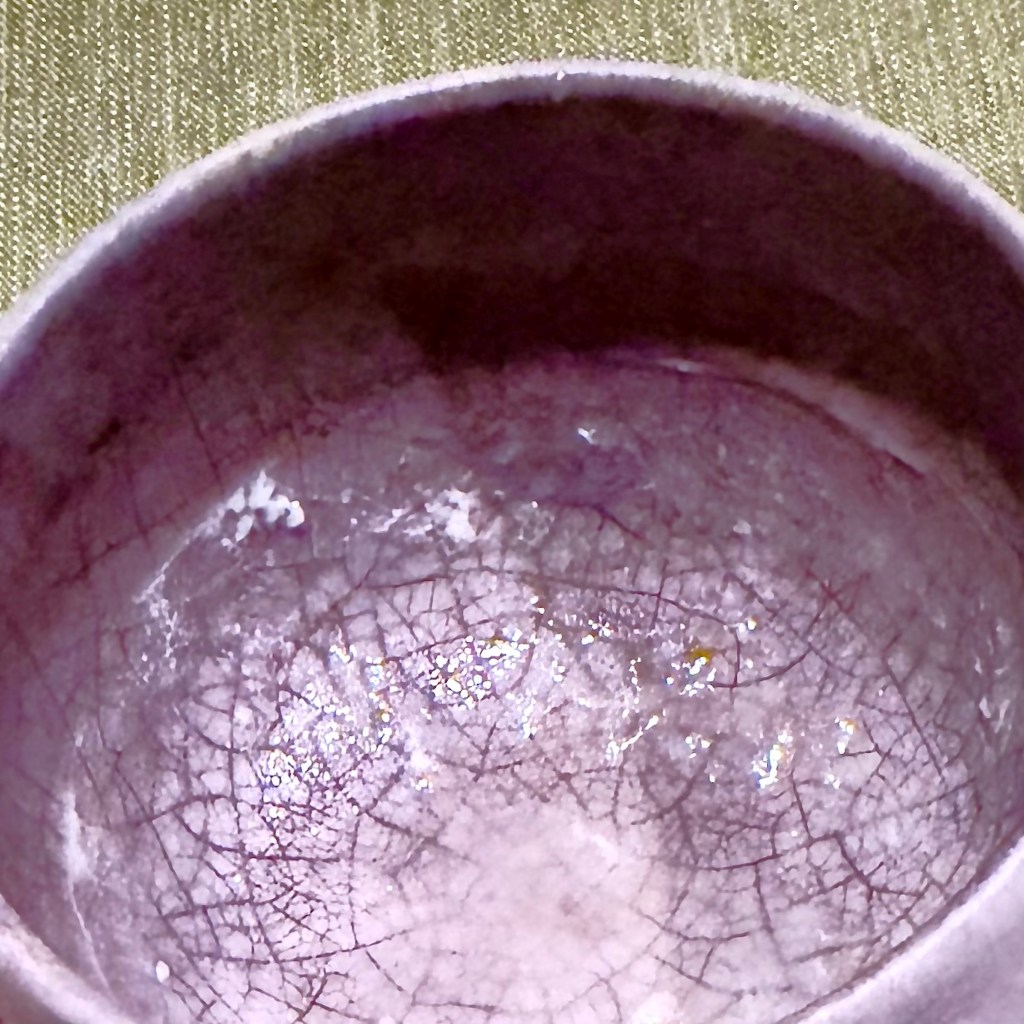
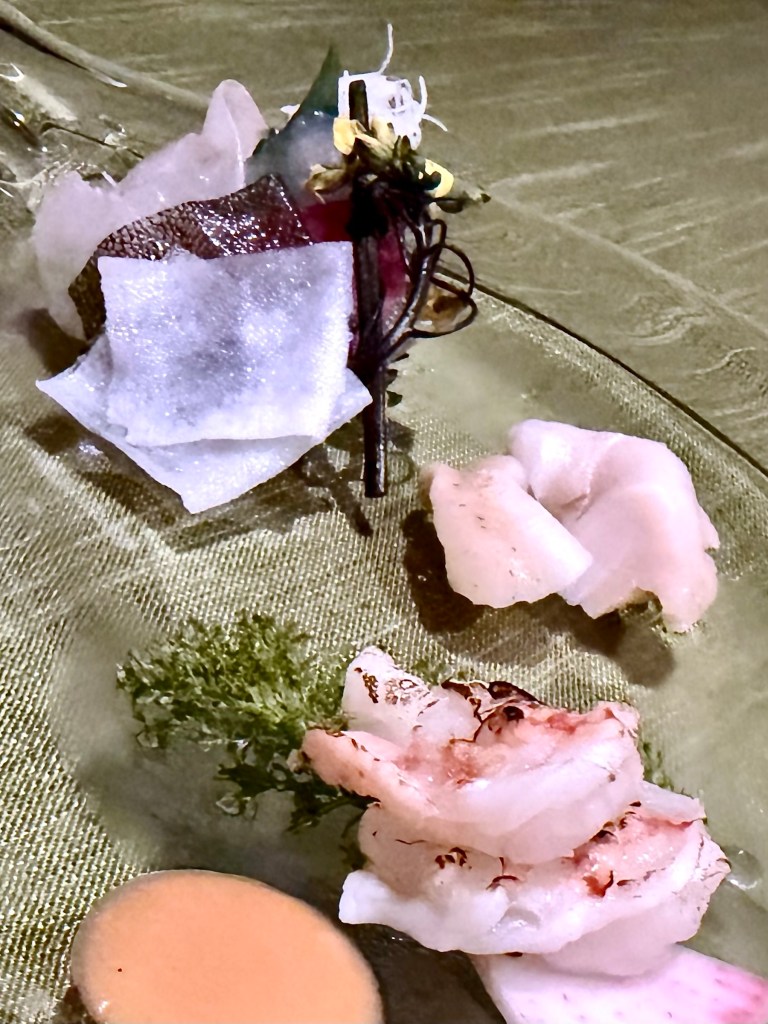
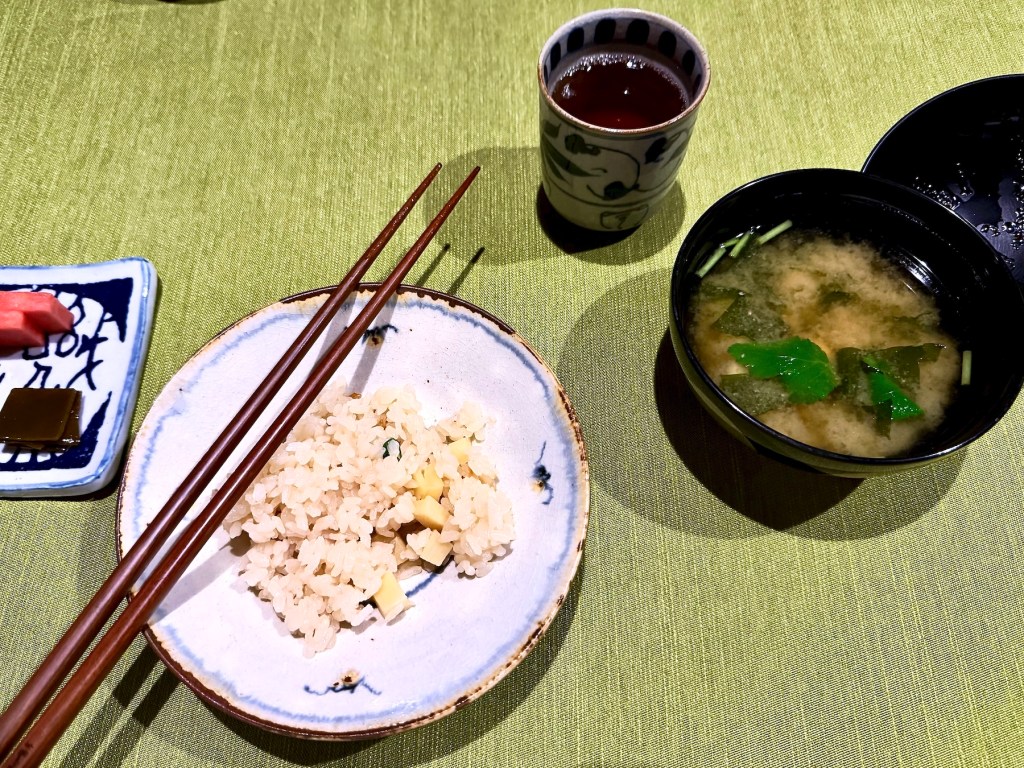
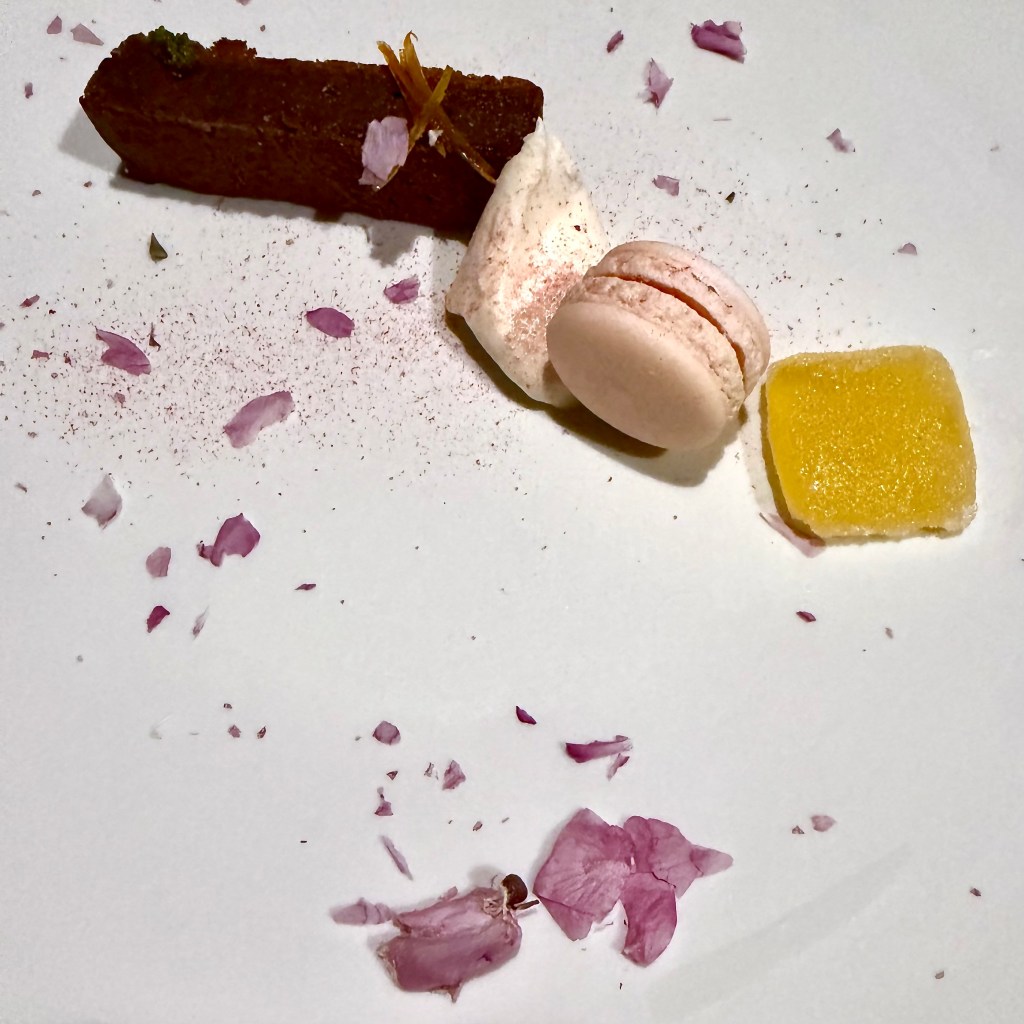
The bamboo shoot rice was moist and flavorful. There was no comparison to the stringy bamboo shoots we pull out of cans in the West. And in conclusion, naturally, we have a cup of the obligatory and much-loved miso soup.
We stayed in Arima Onsen for three nights and enjoyed every single, peaceful minute of it!


Amazing. Tradition, style, perfection. Very, very pleasant.
LikeLike
Another great job!!!Dr. Barry N. Leon
707 Cardinal Lane, #A1 Austin, TX 78704
USA
On Fri, May 1, 2026 at 10:06 PM NOT IN A STRAIGHT LINE by Photolera
LikeLike
💖thank you for sharing this 💖very beautifulCookie= > ÷
LikeLike